
Catching & Cooking
the Fish of Tampa Bay
A practical field guide to the fish you can catch around Tampa Bay — where to find them, what to use, and how to turn your catch into dinner.
Welcome to Tampa Bay
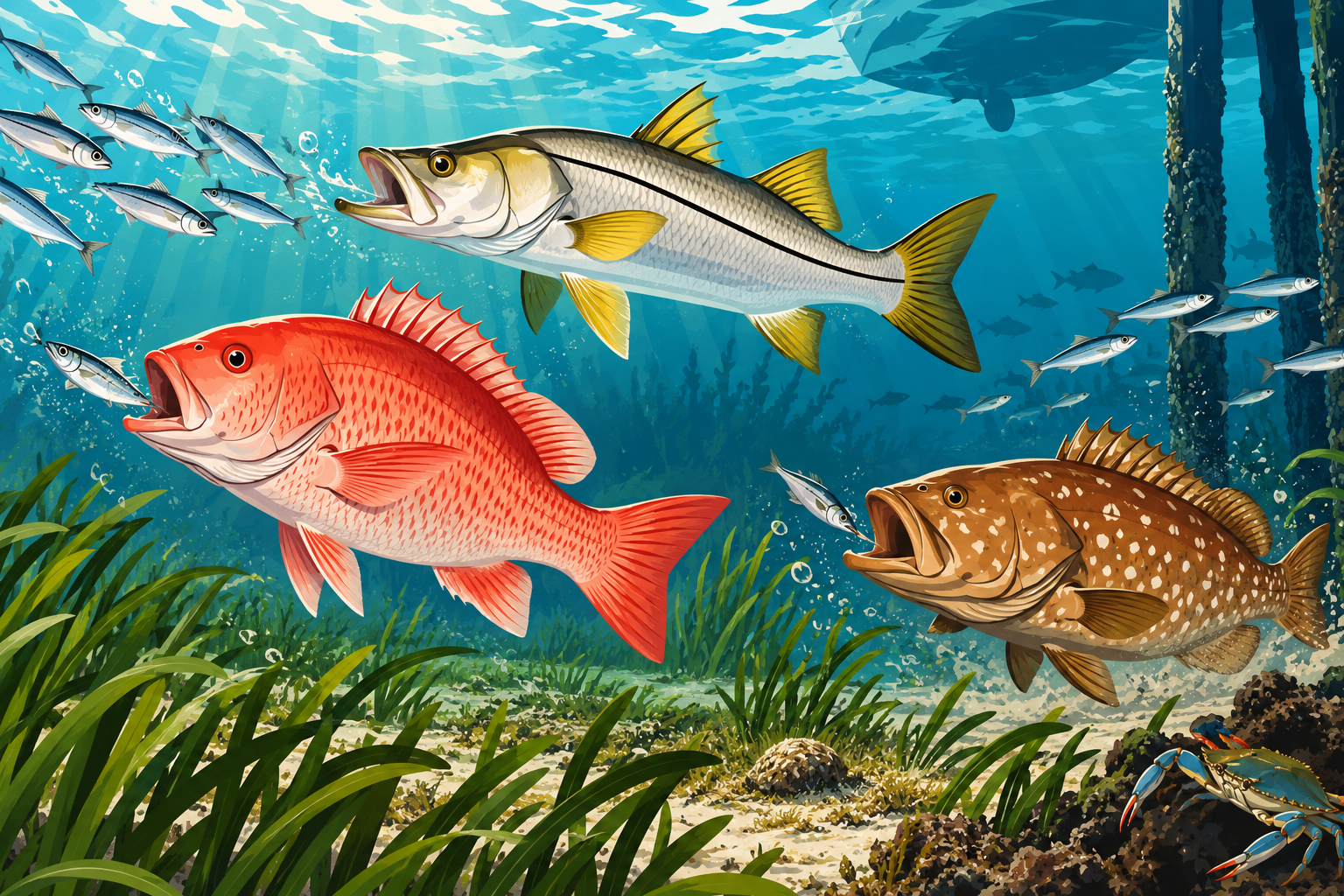
Tampa Bay gives anglers an unusual combination of shallow flats, grass, oyster beds, structure, channels, deeper water and moving tides. That variety is what makes the bay such a good place to fish.
Some fish here are prized because they fight. Others earn the trip because they are exceptional on the table. A few are worth pursuing strictly for the experience, and should go straight back in the water. This guide covers fourteen of the fish Captain Gavin O’Neal targets around the bay, with practical notes on bait, tackle, timing, cleaning and cooking.
How this guide is organised
Cleaning basics that apply to nearly everything
Not necessary if you are cutting fillets. Simply cut around the fish guts.
Spanish Mackerel, Redfish, Grouper and Sharks are typically de-blooded.
Recommended for larger fish, including Spanish Mackerel, Redfish and Sharks.
These three notes were repeated on every species page of the original guide. They are stated once here and referenced throughout.
Fourteen fish of Tampa Bay
Every fish in this guide has its own page. Taste ratings are Captain Gavin’s, out of ten.
 Black Drum
Sport fish
Black Drum
Sport fish
 Cobia
Taste 10/10
Cobia
Taste 10/10
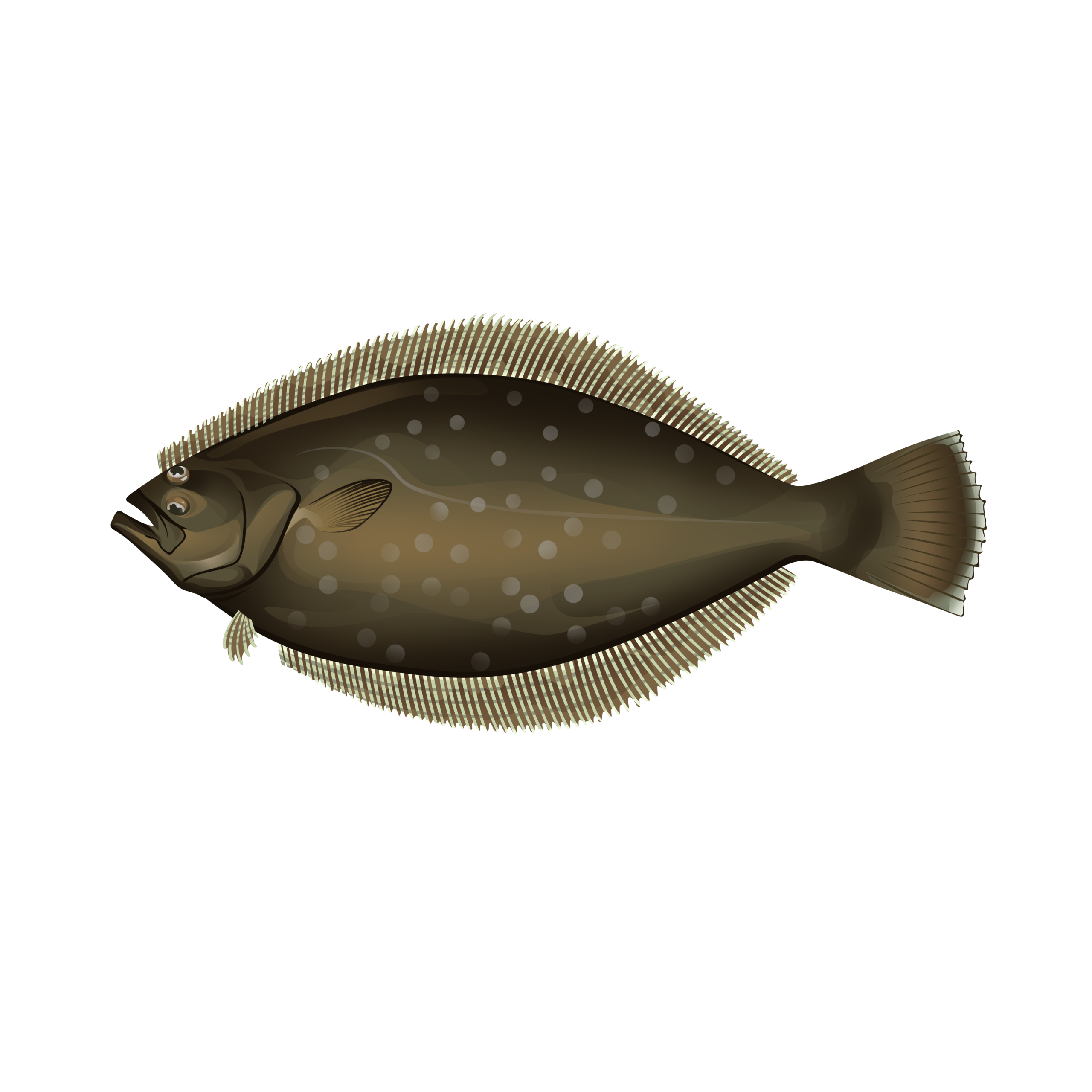 Flounder
Taste 10/10
Flounder
Taste 10/10
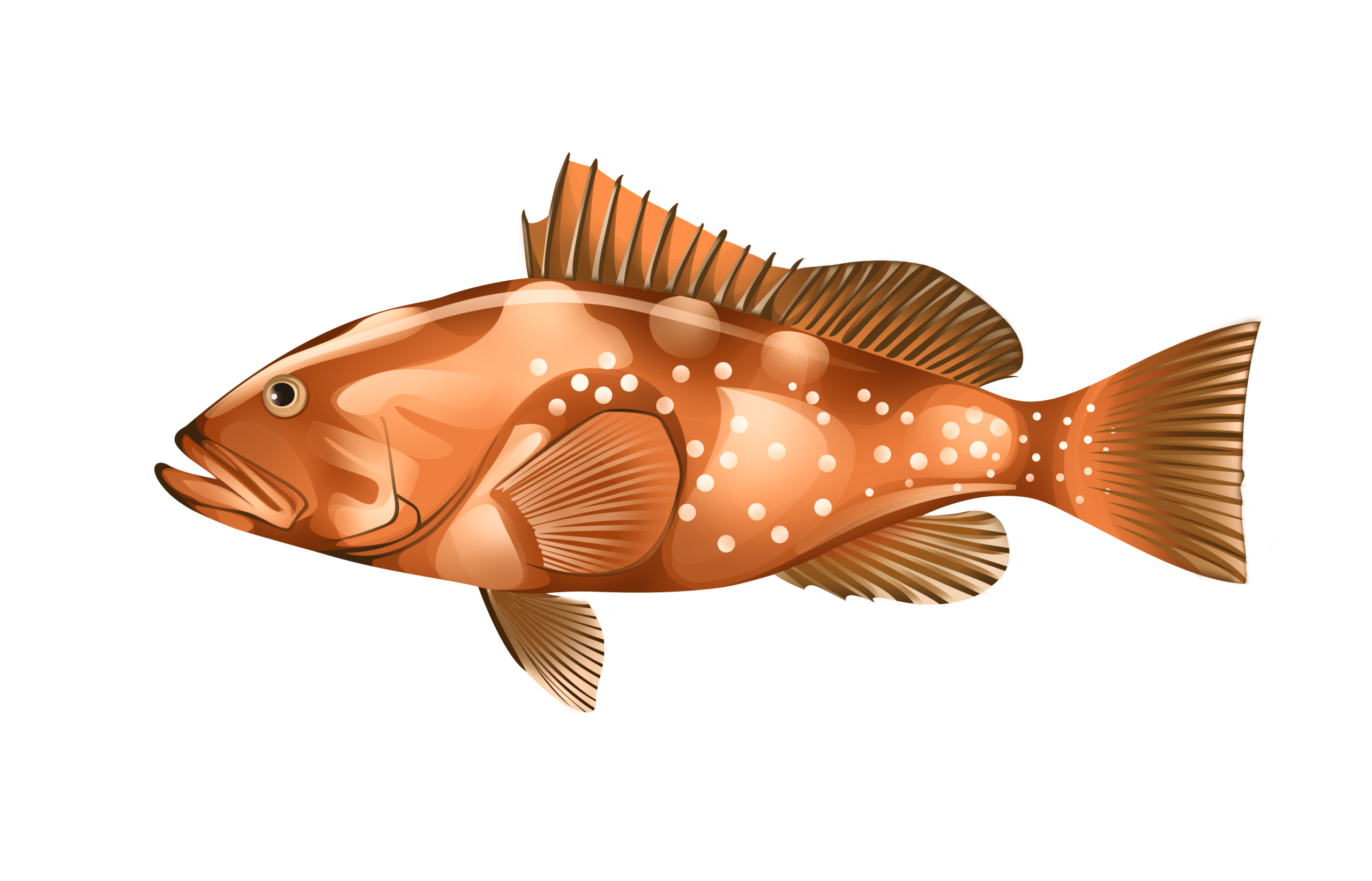 Grouper
Taste 10/10
Grouper
Taste 10/10
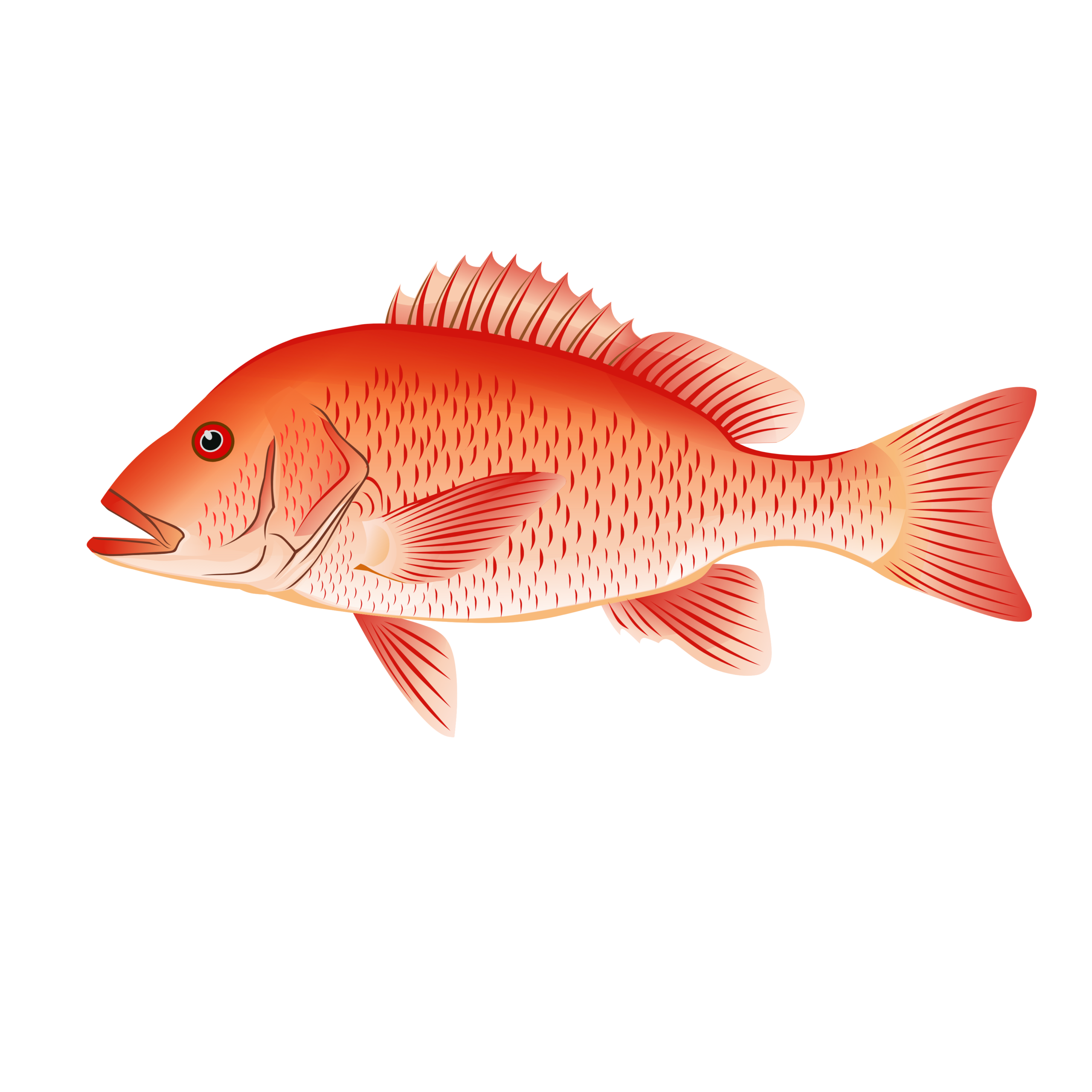 Mangrove Red Snapper
Taste 10/10
Mangrove Red Snapper
Taste 10/10
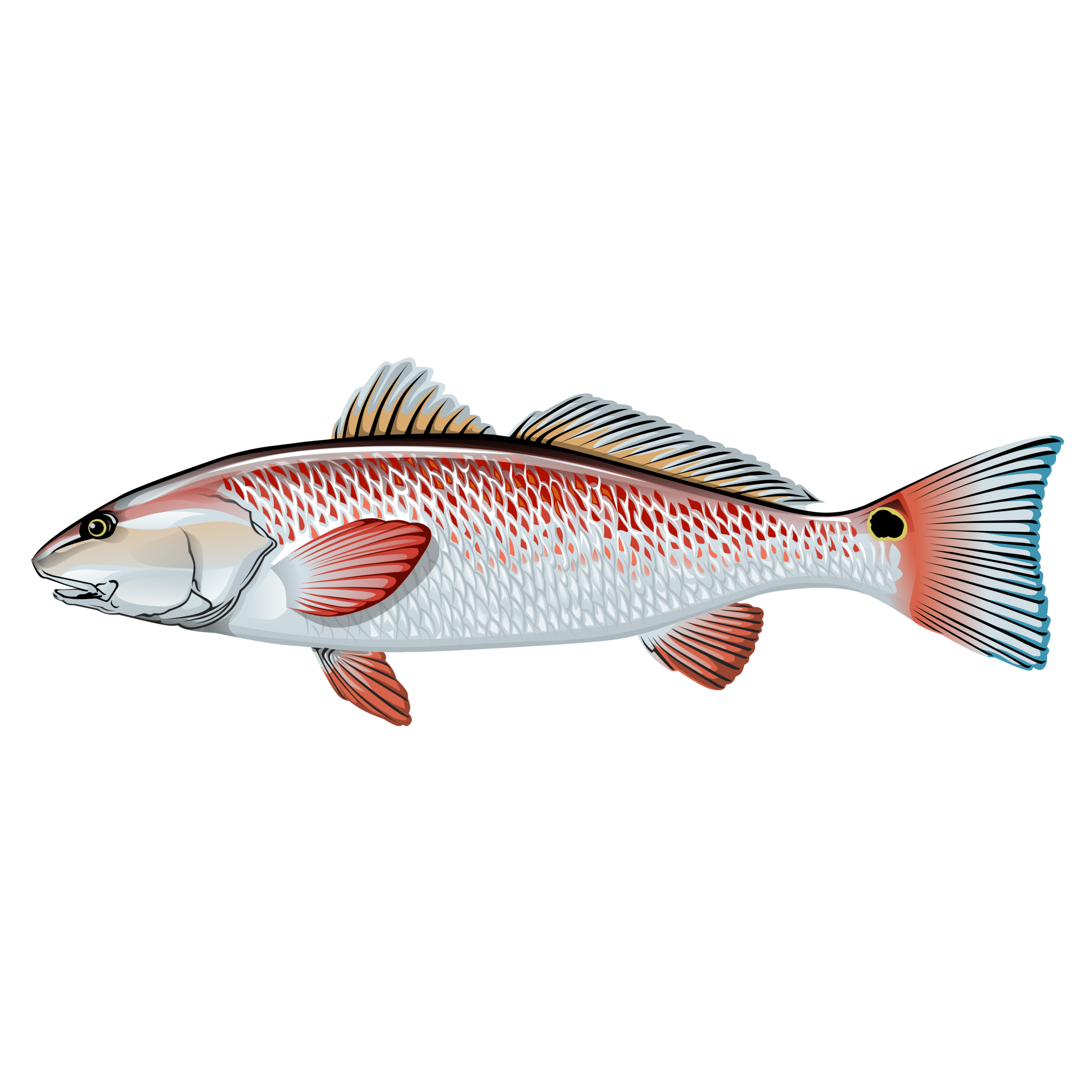 Redfish
Taste 7/10
Redfish
Taste 7/10
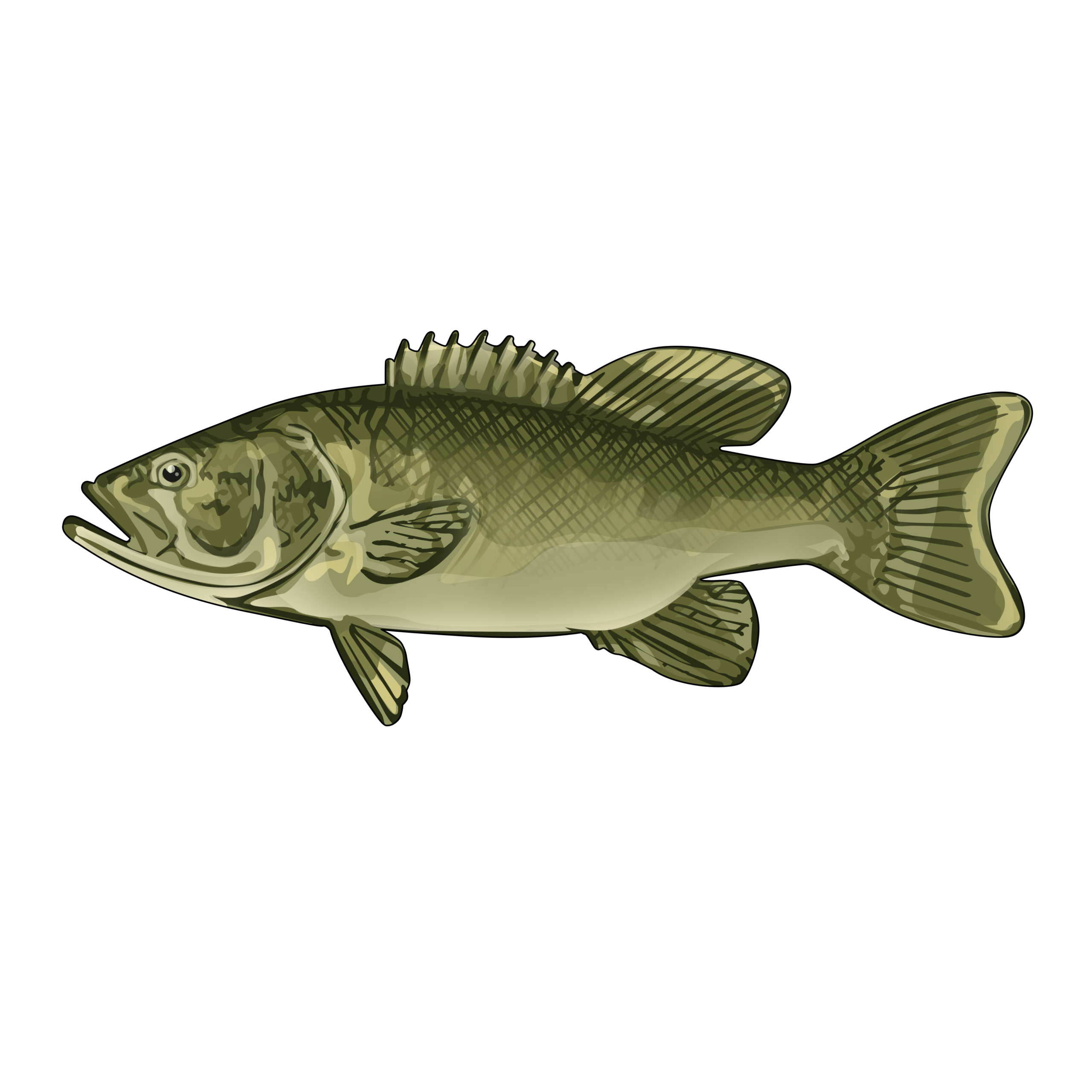 Sea Bass
Taste 10/10
Sea Bass
Taste 10/10
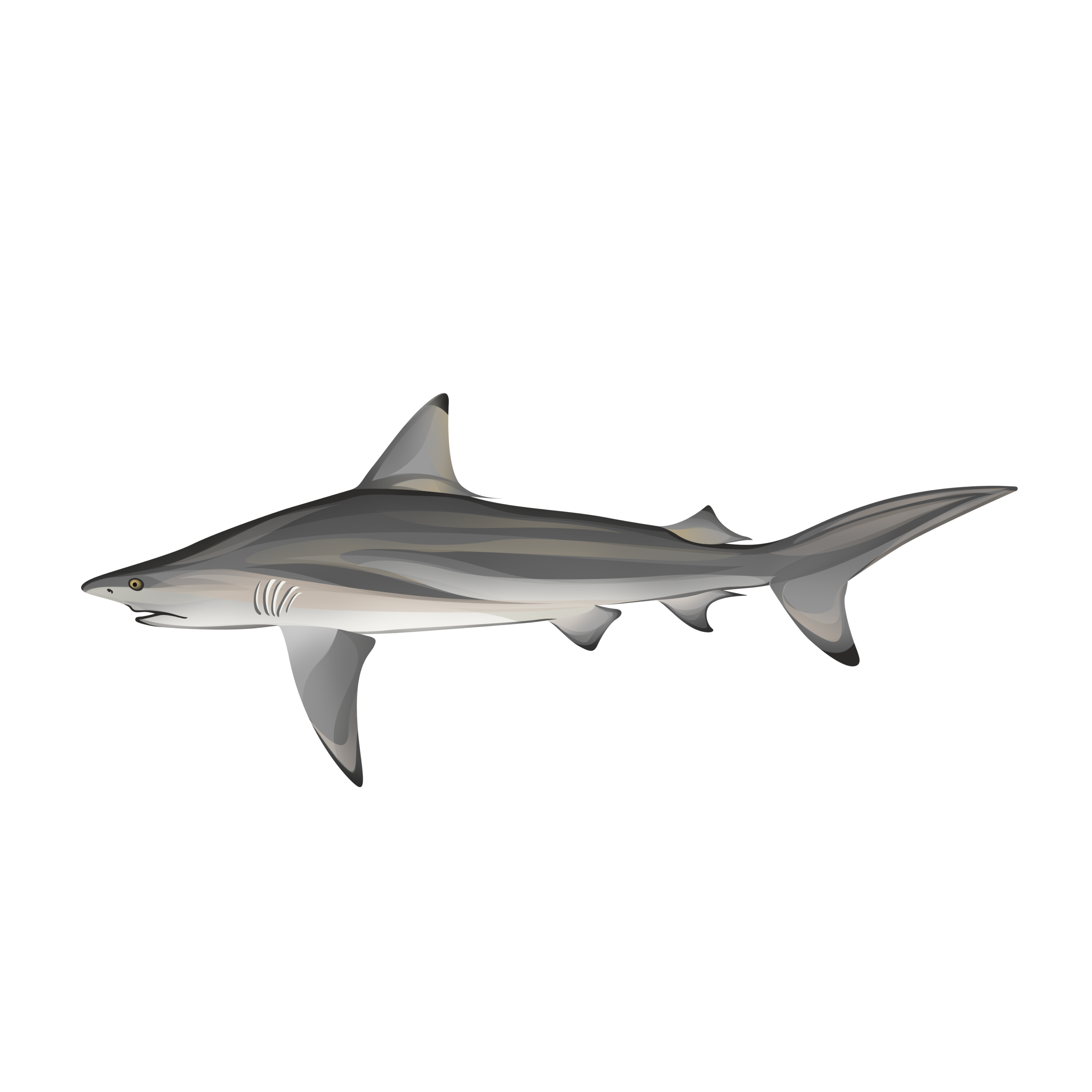 Shark
Taste 4/10
Shark
Taste 4/10
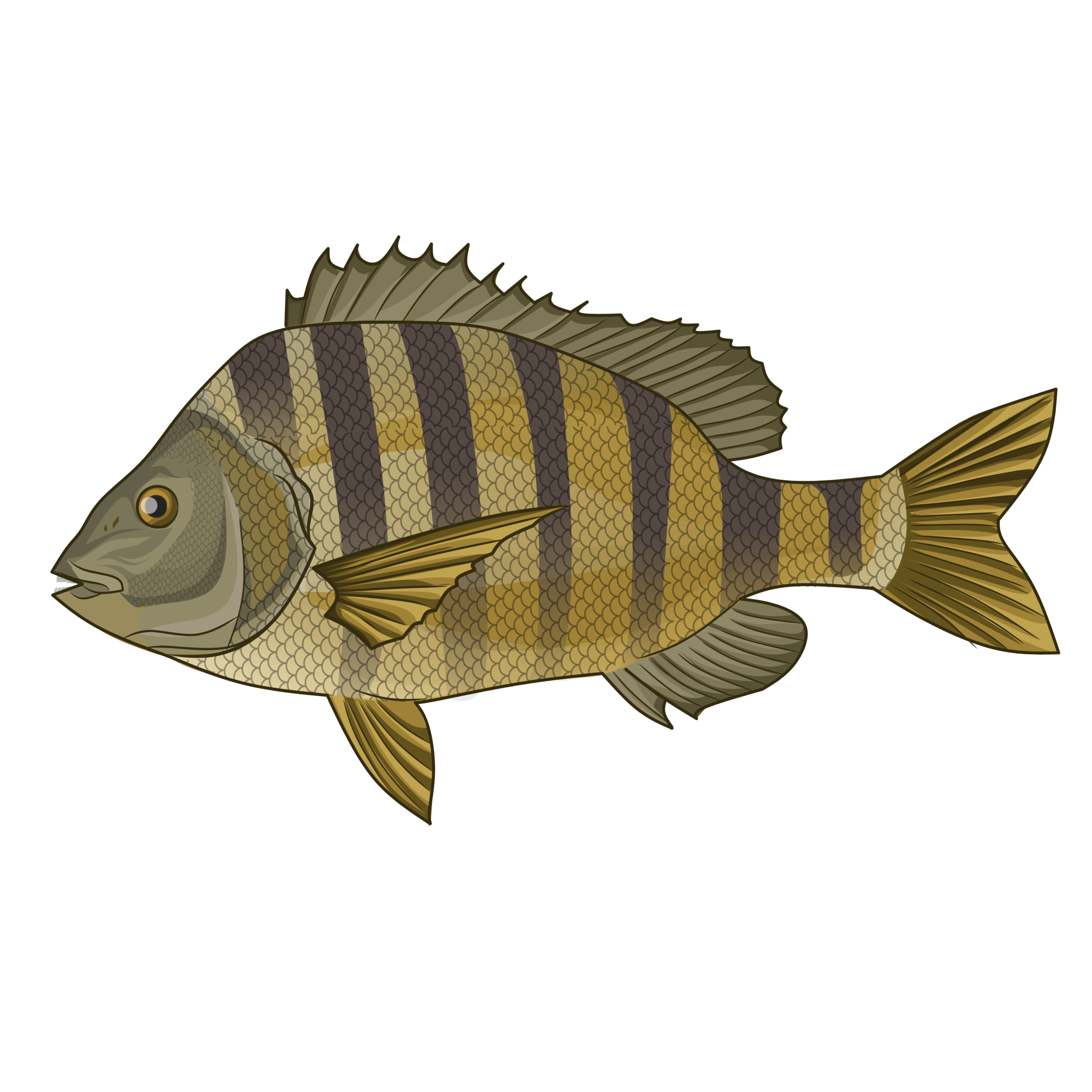 Sheepshead
Taste 10/10
Sheepshead
Taste 10/10
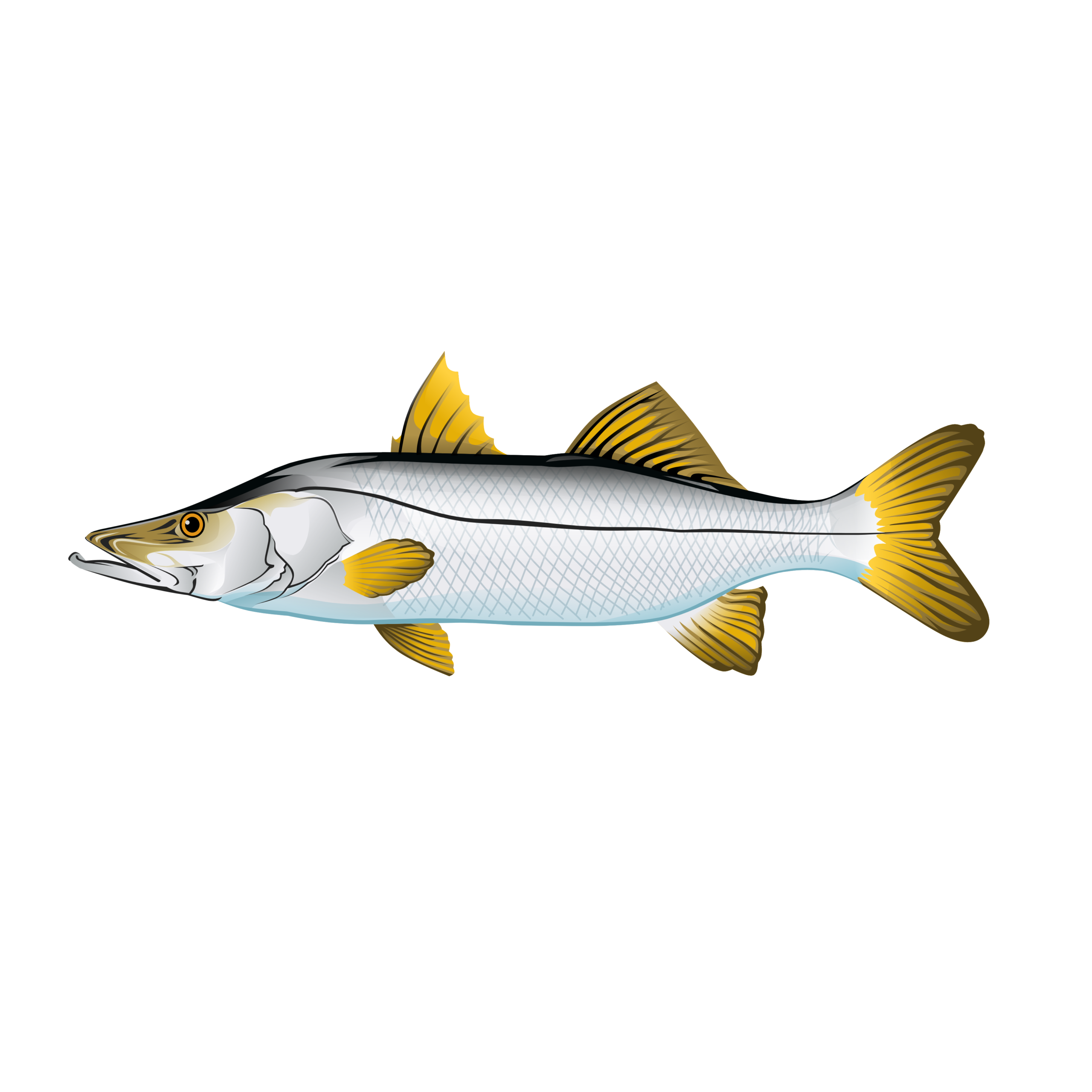 Snook
Taste 8.5/10
Snook
Taste 8.5/10
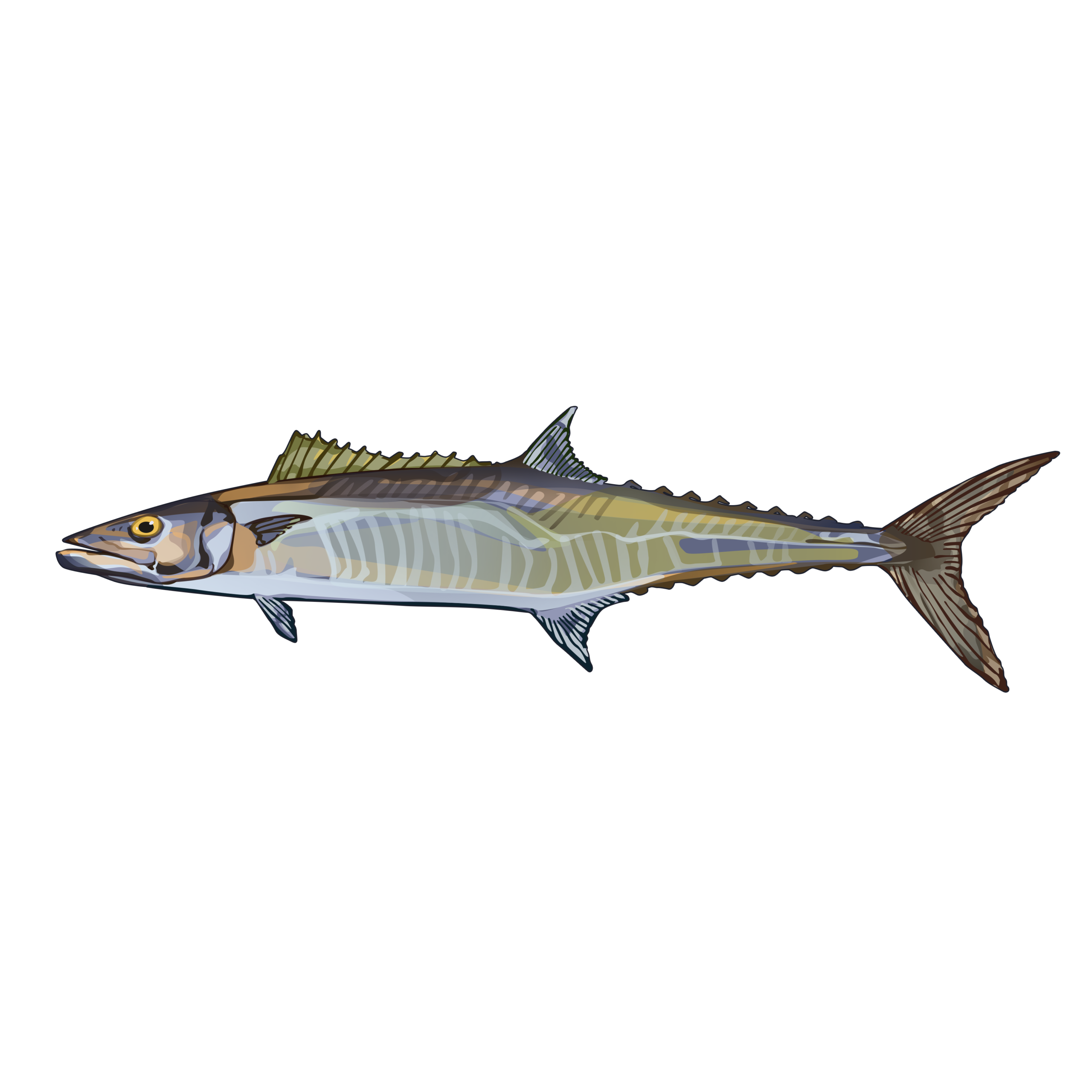 Spanish Mackerel
Taste 10/10
Spanish Mackerel
Taste 10/10
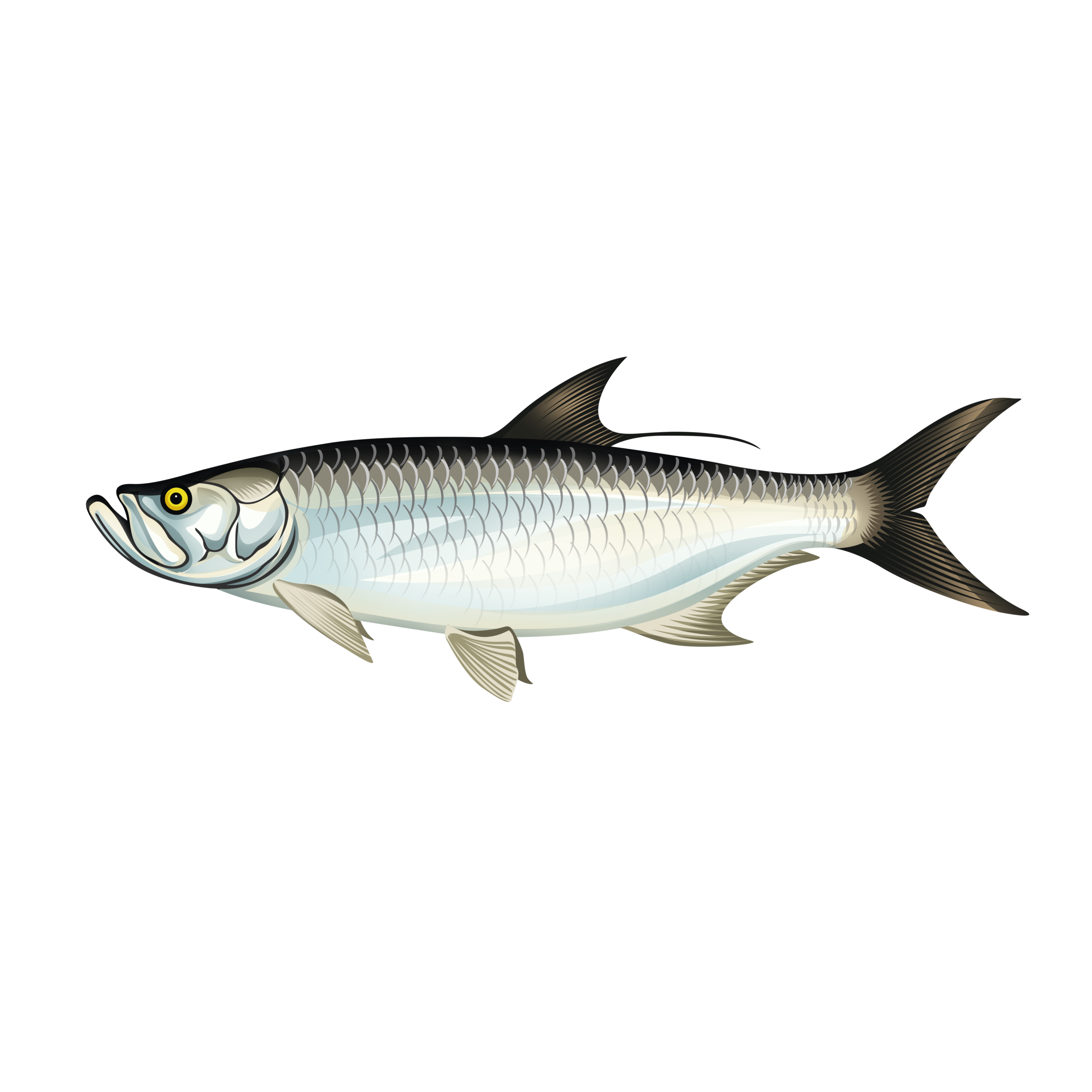 Tarpon
Release
Tarpon
Release
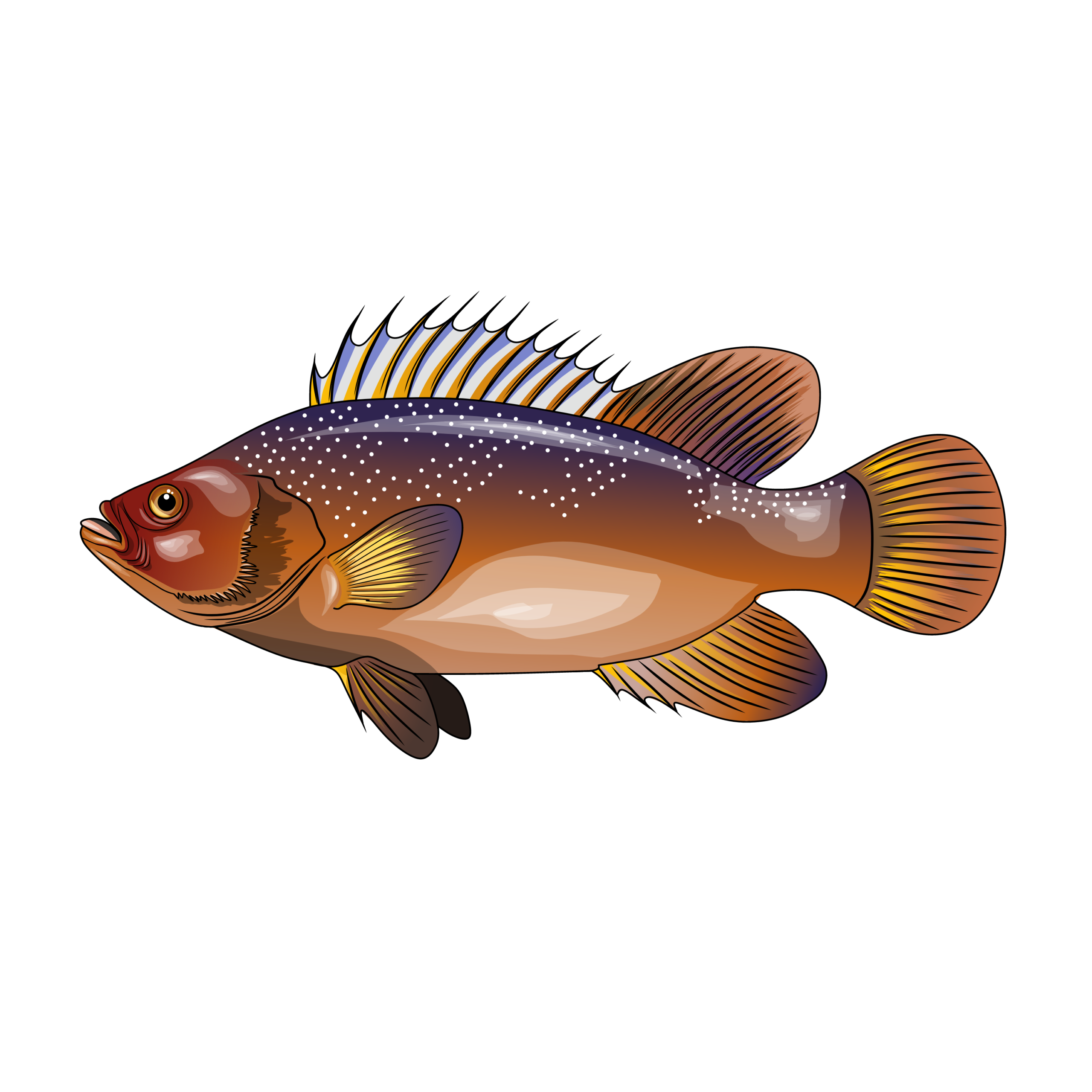 Tripletail
Taste 10/10
Tripletail
Taste 10/10
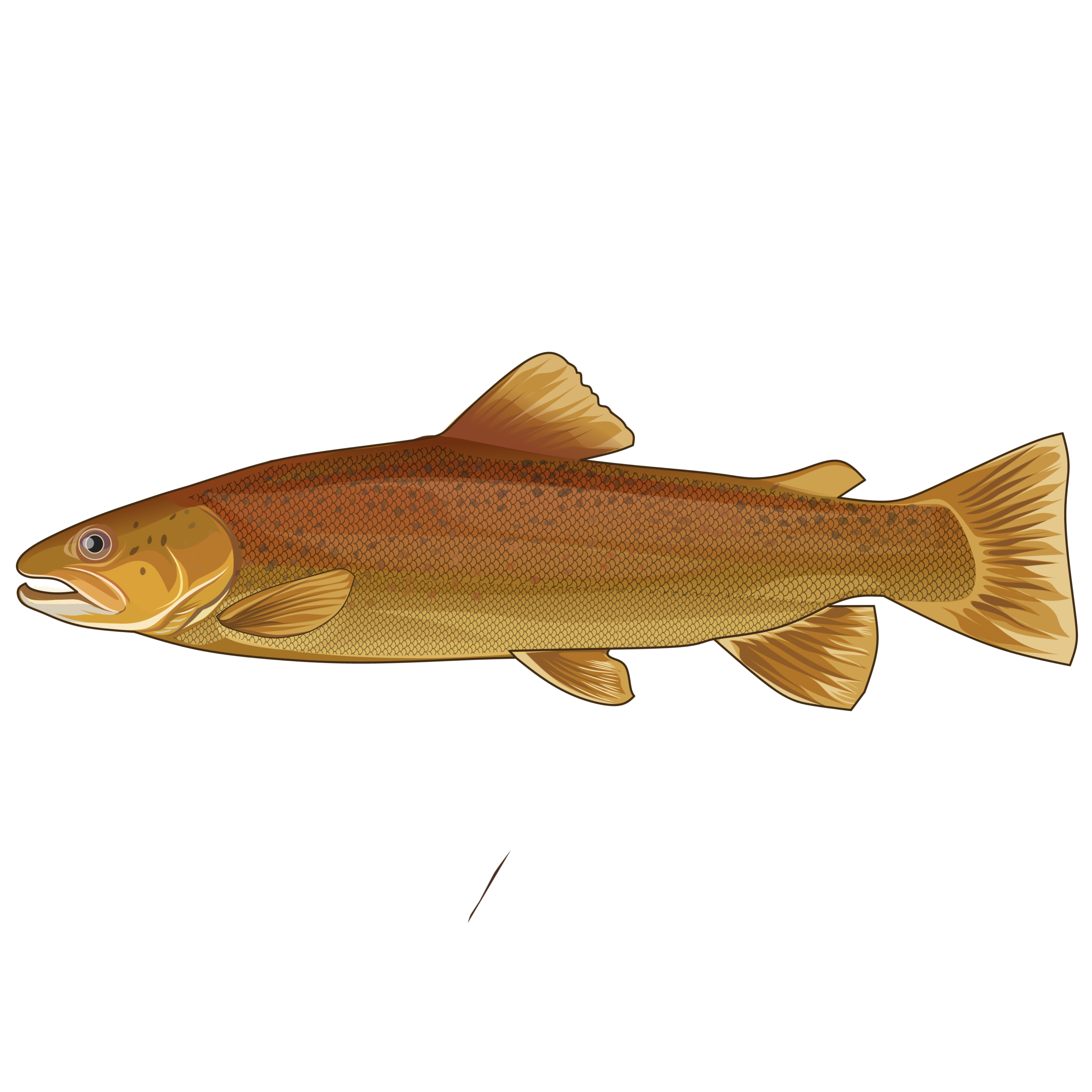 Speckled Trout
Taste 5/10
Speckled Trout
Taste 5/10
Black Drum
Better for the fight than for the plate.
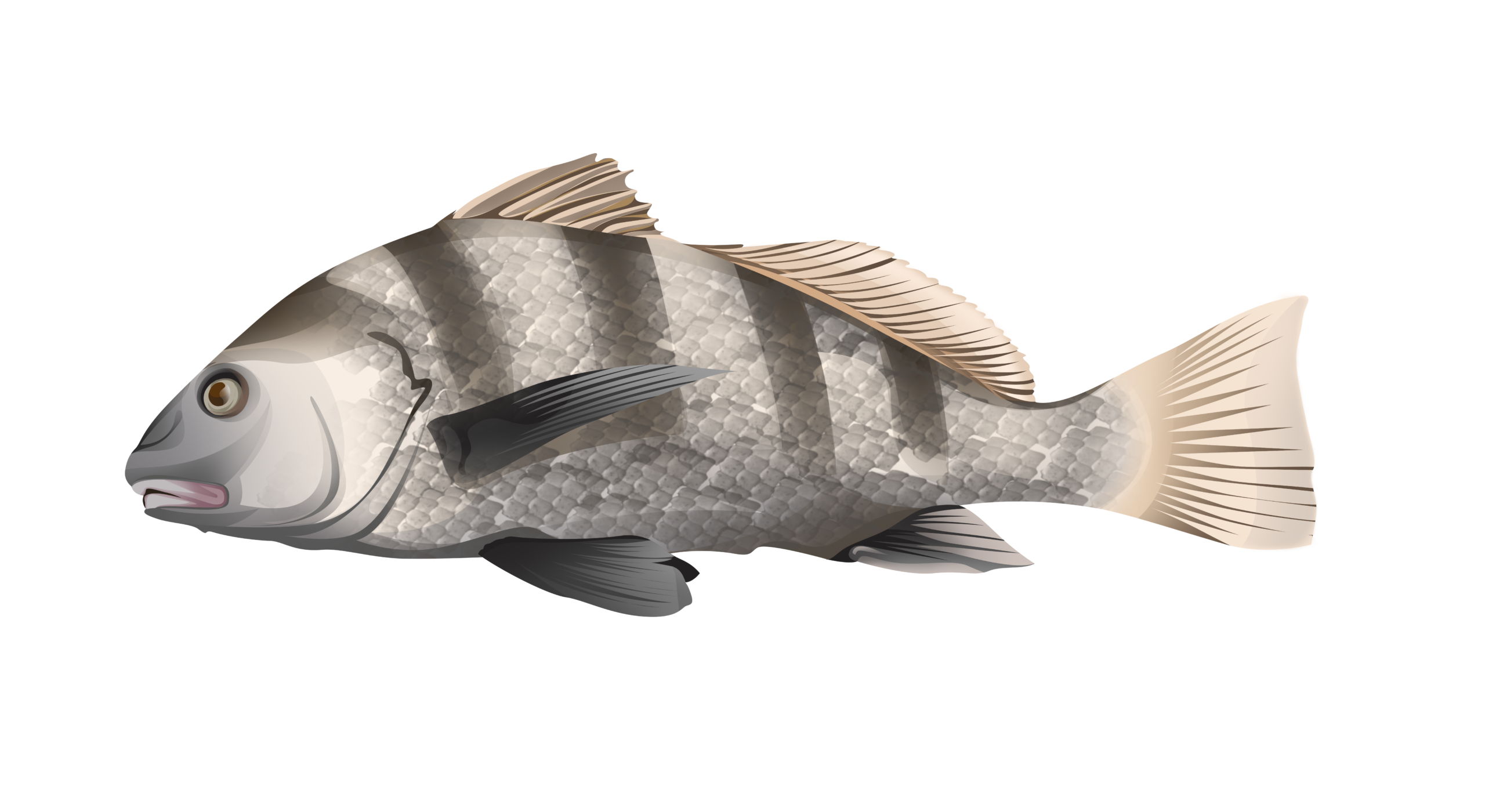
A saltwater cousin of the Red Drum, known for its black and gray striped colour and powerful teeth capable of crushing oysters. It is a bottom feeder, and not the best eating fish in the bay. Black Drum are hard to target and fight strongly, which makes them a good match for experienced anglers after sport rather than supper. Found near estuaries and oyster beds in temperate and warmer Atlantic regions.
The original guide does not give season, location or bait detail for this species.
Not an eating fish. See the note above.
Cobia
One of the most versatile fish in the bay, and one of the best on the table.
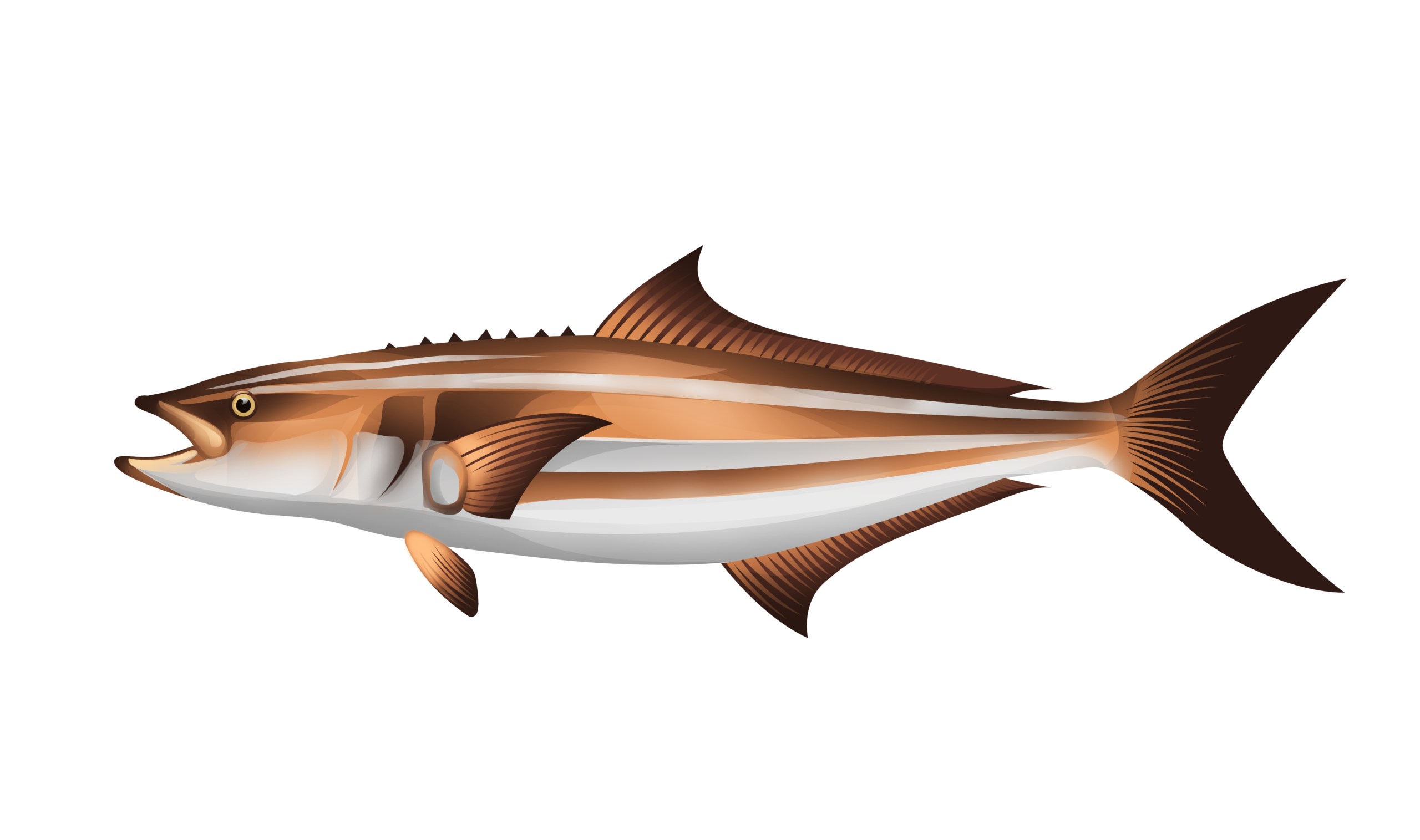
A hard fish to target and a sought-after trophy. Cobia are not especially dangerous but they are heavy, and they like to move around once you land them in the boat. They are sometimes called black kingfish, black salmon, ling, lemonfish, crabeater, prodigal son, codfish and black bonito.
Season
Most active in the cooler winter months, September through February.
Where
Look for stingrays. Cobia like to run shallow water and will swim with other species. They push offshore when the water warms.
Time & tide
Most visible mid-day, when the sun is out.
Bait
Live bait — greenbacks, pinfish and shrimp. Floating cut bait behind the boat in deep water works well.
Method
Rod and reel with light tackle.
out of 10
Flavour
Very moist and flaky. White flesh with no aftertaste, similar to Snook.
Cleaning
Strike behind the gill plate and cut down along the backbone. You get two fillets. Skin both.
Cooking
Cobia takes almost any preparation — baked, grilled, sautéed or blackened, fried. It suits every cooking tradition in this guide.
Dishes
No need to complicate things. Baked in a standard fashion with greens and potatoes, Cobia is excellent.
Pair it with
Pairs comfortably with just about anything.
Flounder
A bottom-dweller that rewards a delicate touch.
Flounder are bottom-feeders with soft mouths, known for lying on their side. They require a touch-and-feel approach, and anglers need to get them to the boat quickly or the catch can be lost. Their digestion and metabolism differ from other fish.
Season
Active year-round in Tampa Bay.
Where
On the bottom, particularly over sandy areas.
Time & tide
Early morning and late afternoon.
Bait
Live shrimp.
Method
Rod and reel with appropriate tackle.
out of 10
Flavour
A wet fish with a lingering taste that isn't especially fishy.
Cleaning
Strike behind the head, cut down the backbone, and remove all the skin.
Cooking
Grilled, sautéed or blackened, and deep fried. Deep frying suits it particularly well.
Dishes
Crispy fried flounder with okra, rice and tomatoes.
Pair it with
Sweet whites, or bourbon beforehand. Skip the beer.
The cooking notes for Flounder in the original guide were duplicated from the Sheepshead page. The methods above are the ones the guide gives for Flounder elsewhere; the rest has been left out rather than guessed at.
Grouper
Heavy, powerful, and one of the best eating fish in this guide.
Groupers are teleosts with a large mouth and stout body. They eat their food whole rather than taking bites, and they are tasty despite being bottom-feeders. Aggressive and hard to catch because of their weight and strength, fishing for them in deeper water takes patience. They have teeth, so pick them up by the gill plates with pliers. Types include Black, Gag, Goliath, Nassau, Red, Scamp, Speckled, Snowy and Warsaw. Goliath grouper can run anywhere from 4 to 700 lbs.
Season
Inshore Grouper are abundant June through September.
Where
They like rock beds where they feel safe. Approach a structure after the flats and they are typically along the edge of it.
Time & tide
Early morning or late afternoon.
Bait
Live bait is best, including pinfish, knocker-rig style.
Method
Rod and reel with medium or heavy tackle.
out of 10
Flavour
Acidic and savory.
Cleaning
Strike behind the gill plate and cut down along the backbone. You get two fillets. Leave the skin on.
Cooking
Fried, grilled, baked or sautéed and blackened. The method changes the character of the fish — a grill gives a more savory, less sweet result, while baking keeps it moist and sweeter.
Dishes
Grouper nuggets are a favourite: fry with an egg batter for a crunch. Also works as an entrée, in tacos, soup, stew, salad or as an appetizer. Black beans with rice go exceptionally well.
Pair it with
Red wines and sweeter mixed drinks.
Mangrove Red Snapper
Not the biggest fish in the bay, but one of the most sought-after for the table.
Mangrove Red Snapper are not big enough to put up a struggle worthy of bragging rights, but they bite and offer a good sporting day on the water. They are sought after for their flavour, can be prepared many ways, and are popular in restaurants as a result.
Season
Active in the Tampa Bay area year-round. Full moons in the summer months are ideal.
Where
They push to deep sandy bottoms. In summer look for 19 to 25 feet of water over rock beds; in winter, look for structures like concrete pilings.
Bait
Cut bait — greenbacks, shrimp or ladyfish are ideal. Live shrimp will also do.
Method
Rod and reel with light tackle.
out of 10
Flavour
A wetter fish with a lingering taste that isn't fishy.
Cleaning
Strike behind the gill plate and cut down along the backbone. You get two fillets. Skin both.
Cooking
Every method works, but baking is especially good — it holds the moisture and is the least destructive to the flavour.
Dishes
Can be stuffed with crab meat: stuff the belly and pan fry in high-temperature oil with a garnish of asparagus or onions. Also excellent in tacos and ceviche, or simply baked with greens and a loaded baked potato on the side. Season with lemon pepper, garlic or salts.
Pair it with
Sweet wines, or bourbon beforehand. Avoid beer.
Redfish
The ultimate fighting fish, and a Tampa Bay favourite.
Redfish are one of our favourites — big, heavy and beautiful, with a distinctive black spot on the tail. Common on the Atlantic coast and in the Gulf of Mexico, they are sometimes called Red Drum, Channel Bass or Puppy Drum, and come from the Drum family. Mostly caught by sport fishermen rather than commercial, Redfish are the 'ultimate fighting' fish and anglers seek them for that fight. A Redfish will never show its face, unlike a Snook. They are lazy during the summer.
Season
Active year-round, from October through the hottest part of the summer. Very active March to July.
Where
Redfish love the brush and the mangroves. They stay in shallow or deeper water.
Time & tide
At low tide the bait gets inside the roots and the fish are drawn to it. They also eat shrimp and bait in the barnacles on those roots.
Bait
Live bait is best, and a small hook helps them bite. Carry varieties: greenbacks in cooler water, pinfish for hotter water and season, and shrimp for spring fishing.
Method
Rod and reel with light tackle, and chum.
out of 10
Flavour
Little aftertaste, and not especially fish-smelling despite being savory. Very tender texture, dryer than some fish.
Cleaning
Strike behind the gill plate and bisect along the backbone, producing two fillets. Leave the skin on and cook.
Cooking
Fried, grilled, baked or sautéed and blackened. Redfish can be worked into most cooking traditions.
Dishes
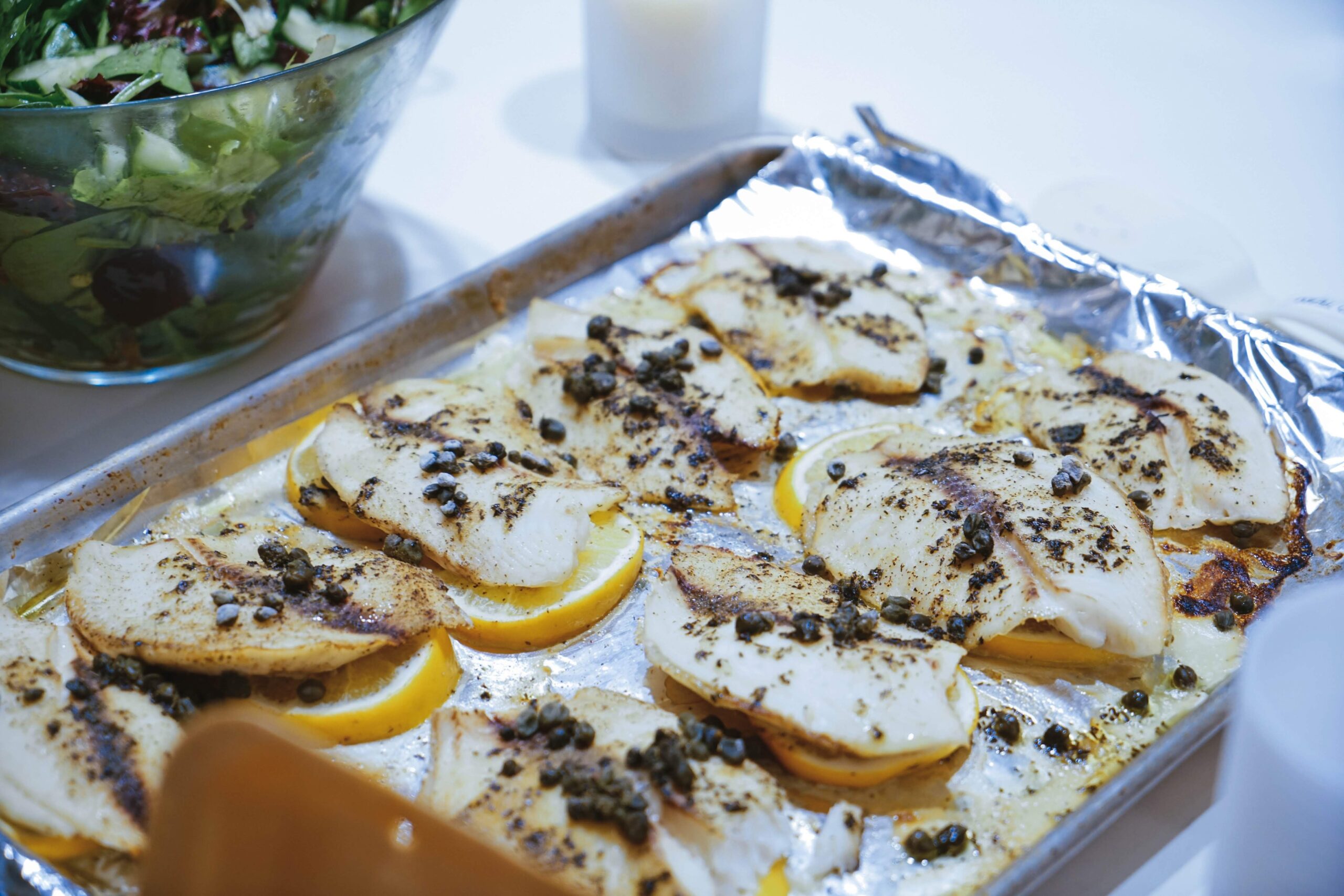
Use tinfoil and leave it open. Season with household seasonings — lemon pepper and garlic. When the fish is done, finish with lemon juice and butter.
Pair it with
White wine, sweet tea, a session light beer with lemon, or bourbon.
Sea Bass
Small fish. Big flavour.
A very small fish, limited to five per person and under 16 inches to keep in Tampa Bay.
Season
Year-round.
Where
Sea Bass prefer rocky bottoms.
Time & tide
Early morning or later in the afternoon.
Bait
Live shrimp.
Method
Rod and reel with light tackle, and chum.
out of 10
Flavour
Not fishy tasting.
Cleaning
Strike behind the head, cut down the backbone, and remove all the skin.
Cooking
Pan frying is the recommendation. Plain or upscale, Sea Bass is delicious, and over-seasoning can mask its natural flavour.
Dishes
Goes well with potatoes, salads, grilled vegetables, lemon rice, roasted carrots with dill, quinoa, mashed potatoes and oven-baked sweet potato fries.
Pair it with
Sweet whites, or bourbon beforehand. Skip the beer.
Shark
A bucket-list catch. Not necessarily a dinner catch.
Sharks gestate twice a year, between 8 and 11 months. Eating some kinds of shark is permitted, but Nurse, Lemon and Black Tips have to be returned to the water if caught. Bonnet sharks, which are small and tender, provide the best eating. Other species you may encounter include Black Nose, Blacktip, Bonnethead, Bull, Hammerhead, Lemon, Nurse, Tiger and Spinner.
Season
Sharks are active year-round.
Where
Sharks like warmer areas. In winter, plants that warm the water are good for shark fishing. They typically inhabit coastal seagrass, sand or rubble habitats.
Time & tide
Between 4pm and 9am.
Bait
Cut bait — greenbacks, shrimp and ladyfish are best.
Method
Rod and reel with light tackle, and chum.
out of 10
Flavour
Very dry, bland and plain. Requires seasoning for flavour.
Cleaning
Cut all the fins off. Strike behind the back and cut down the backbone.
Cooking
Shark is better suited for steaks. Because of its unusual texture, it is less suited to the soups, stews and appetizers that other fish handle well.
Dishes
Shark flank steak.
Pair it with
Fine white wines.
The cooking methods listed for Shark in the original guide were duplicated from the Redfish page and have been left out.
Sheepshead
Small, tough, and surprisingly powerful for its size.
Sheepshead are a fun but difficult fish to catch. Their bite can be tricky, and they are heavy and fight aggressively for a small fish. Sheepshead have teeth like a horse and a lot of biting power for their size.
Season
Active during the winter months, when they spawn.
Where
Found in the Western Atlantic from Nova Scotia to Brazil. They are a bottom-feeding fish and like structures including concrete pilings and rock beds.
Time & tide
Best fishing is during the outgoing tide.
Bait
Fiddler crabs.
Method
Rod and reel with light tackle.
out of 10
Flavour
A wet fish with a lingering taste that isn't fishy.
Cleaning
Strike behind the head, cut down the backbone, and remove all the skin.
Cooking
You want Sheepshead well-done, whether grilled or sautéed. They are better deep-fried than baked.
Dishes
Suits dishes that call for larger chunks, cooked well-done. Grilled, sautéed and blackened, or deep fried all go well with okra, rice and tomatoes. Appropriate for Creole, Cajun and Southwestern traditions that aren't baked or diced.
Pair it with
Sweet whites, or bourbon beforehand. Skip the beer.
Snook
A trophy fish, and one of the most exciting in the bay to catch.
Sometimes known as the Sergeant Fish or Robalo, found from the Gulf of Mexico down to South America. Snook are a trophy fish because it isn't every day you catch one, and they are slow-growing. Fun to catch, but handle them carefully: the gill plates are as sharp as razor blades. You can safely put your fingers in their mouth — no teeth, no draw strength.
Season
Active all year, following the patterns of the Redfish.
Where
Snook prefer shallow water. Bigger Snook will be on the flats, near a sandy beach.
Time & tide
The two-hour window around dawn and dusk, or when the tides are moving.
Bait
You can chum for Snook — sling greenbacks into the water.
Method
Rod and reel with light tackle, and chum.
out of 10
Flavour
A big, savory taste that isn't too fishy. Can be flaky and moist.
Cleaning
Strike behind the jaw plate and cut down the backbone. That's the fillet. Remove the skin from both sides.
Cooking
Deep fried, grilled, baked, or sautéed and blackened — versatile enough for any tradition. For a flakier grilled result use low heat, roughly ten minutes a side; go hotter for a heavier texture.
Dishes
Great blackened or sautéed — garlic salt, garlic powder and lemon powder, finished with vinaigrette and olive oil. Baked on tinfoil with Vidalia onions is excellent. Also works as an entrée, in tacos, soup or stew, in a salad, or as fish cakes or ceviche.
Pair it with
White wine, sweet tea, a session light beer with lemon, or bourbon.
Spanish Mackerel
Fast, aggressive, and excellent when it's cooked properly.
A relative of tuna, found pretty much worldwide and prized in India and Sri Lanka, where it is called Seerfish. Spanish Mackerel are fun and easy to catch, but they can be dangerous to handle — they have sharp teeth like a lizard fish or an alligator, and a distinctive long nose. Many anglers write them off as a 'junk' fish, but they are good eating when they are handled and cooked right.
Season
A year-round fish, more active in the cooler months but not dead winter. October and November are best.
Where
A suspended fish more than a bottom fish. They prefer deeper water, between 20 and 25 feet.
Time & tide
Dawn or dusk. Their prey — small fish, sand eels, launce, shrimp and squid — are also most active around these times.
Bait
Cut bait — greenbacks, shrimp, ladyfish.
Method
Rod and reel with appropriate tackle.
out of 10
Flavour
A wet fish with a lingering taste that isn't fishy.
Cleaning
Standard cleaning: strike behind the gill plate and cut down along the backbone. You get two fillets. Skin both. De-veining is recommended on larger fish.
Cooking
Sauté, blacken or deep fry, and season it like you would a Redfish. Spanish Mackerel is the one fish in this guide that really does depend on being cooked properly.
Dishes
Best in dishes that call for fried fish, tacos included.
Pair it with
Sweet wines, or bourbon beforehand. Avoid beer.
Tarpon
The bucket-list fish of Tampa Bay.
A bucket-list fish for experienced anglers, Atlantic Tarpon are aggressive and exciting to catch. With an unusual physiology that includes taking gulps of air for a burst of energy, they can take up to an hour to bring boat-side — not into the boat. This is a fish you can't take out of the water, because it is a monitored and well-controlled game fish. Touching can hurt them.
Season
Active May through July.
Where
Tarpon like inlets and plenty of running or moving water.
Time & tide
They bite early morning until mid-day, particularly during a 'hill tide'.
Bait
Fiddler crabs and cut bait — greenbacks, shrimp, ladyfish.
Method
Rod and reel with appropriate tackle.
Not an eating fish. See the note above.
Tripletail
Rare, clean, and one of the most prized eating fish in the guide.
A tropical or warm-water Atlantic fish. Young Tripletail sometimes float on their sides near flotsam. They are a sight-fishing fish — you spot them with your eye, and you watch them bite the hook and take the bait. Tripletail are a particularly clean fish.
Season
Spring, summer and fall around Florida waters.
Where
Floating structures and flotsam.
Time & tide
Between 10am and 2pm, when the sun is directly overhead.
Bait
Live shrimp.
Method
Rod and reel, light to medium tackle.
out of 10
Flavour
Moist and rich-tasting. Not a super-fishy aroma or flavour, and it has a slight sweetness.
Cleaning
Strike on the back of the head and bisect along the backbone.
Cooking
Baked, sautéed or blackened, and deep fried. Tripletail is not an ideal grill fish.
Dishes
Bake it and add sliced oranges for garnish; sweet potatoes and asparagus go well. Also works as an entrée, in tacos, soup, stew or salad.
Pair it with
Pairs with beer or with wines, depending on whether the meal is upscale or practical.
Speckled Trout
Not the biggest or best-tasting fish in the bay, but don't count it out.
Speckled trout are one of Tampa Bay’s most popular inshore game fish, known for aggressive strikes and exciting light-tackle action. They thrive around the bay’s shallow grass flats, mangrove shorelines, oyster bars, and deeper channels.
Trout feed on shrimp and small baitfish, making both live bait and artificial lures effective. Whether you’re an experienced angler or fishing with the family, targeting speckled trout is a great way to experience Tampa Bay’s inshore fishing—and hopefully bring home a few great memories along with the catch.
Season
Can be targeted year-round with artificial bait, and are active at times similar to Redfish and Snook.
Where
Trout like grassy beds. They move around and spawn, and like to hang in 4 to 8 feet of water, maximum.
Time & tide
Best early morning until dawn, and until about two hours after sunrise.
Bait
Best to use an artificial jerk bait or a bobber. Greenbacks or a cork on live bait will also work.
Method
Rod and reel with light tackle. A fly rod is possible, but an angler needs more experience.
out of 10
Flavour
Trout have a fishy taste that breaks down in your mouth.
Cleaning
Strike behind the dorsal fin and run the knife along the back of the fish. Leave the skin on, producing two fillets.
Cooking
Fried, sautéed or blackened, baked or grilled.
Pair it with
Vodka, sweet tea, or a full-flavoured craft beer.
Four ways to cook your catch
You don’t need a complicated recipe to make a fresh Tampa Bay catch taste good. Start with a good fish, keep the seasoning simple, and pick a method that suits the texture.
Blackened or sautéed
Use a high-temperature oil with a fairly neutral flavour — avocado, grapeseed, linseed, sunflower or safflower. Most people prefer blackened fillets with the skin on one side and off the other.
Deep fried
The same kind of neutral, high-temperature oil, just a lot more of it. Best for Flounder, Sheepshead, Spanish Mackerel and Grouper nuggets.
Baked
Two approaches. Leave the foil open on top, or close it. Either way, season with household seasonings such as lemon pepper and garlic, cook the fish, then finish with lemon juice and butter.
Grilled
Lower heat gives a flakier entrée — roughly ten minutes a side is the guide’s example. Higher heat gives a heavier texture. Thickness and equipment vary, so treat any time as a starting point rather than a rule.
How do you like your fish?
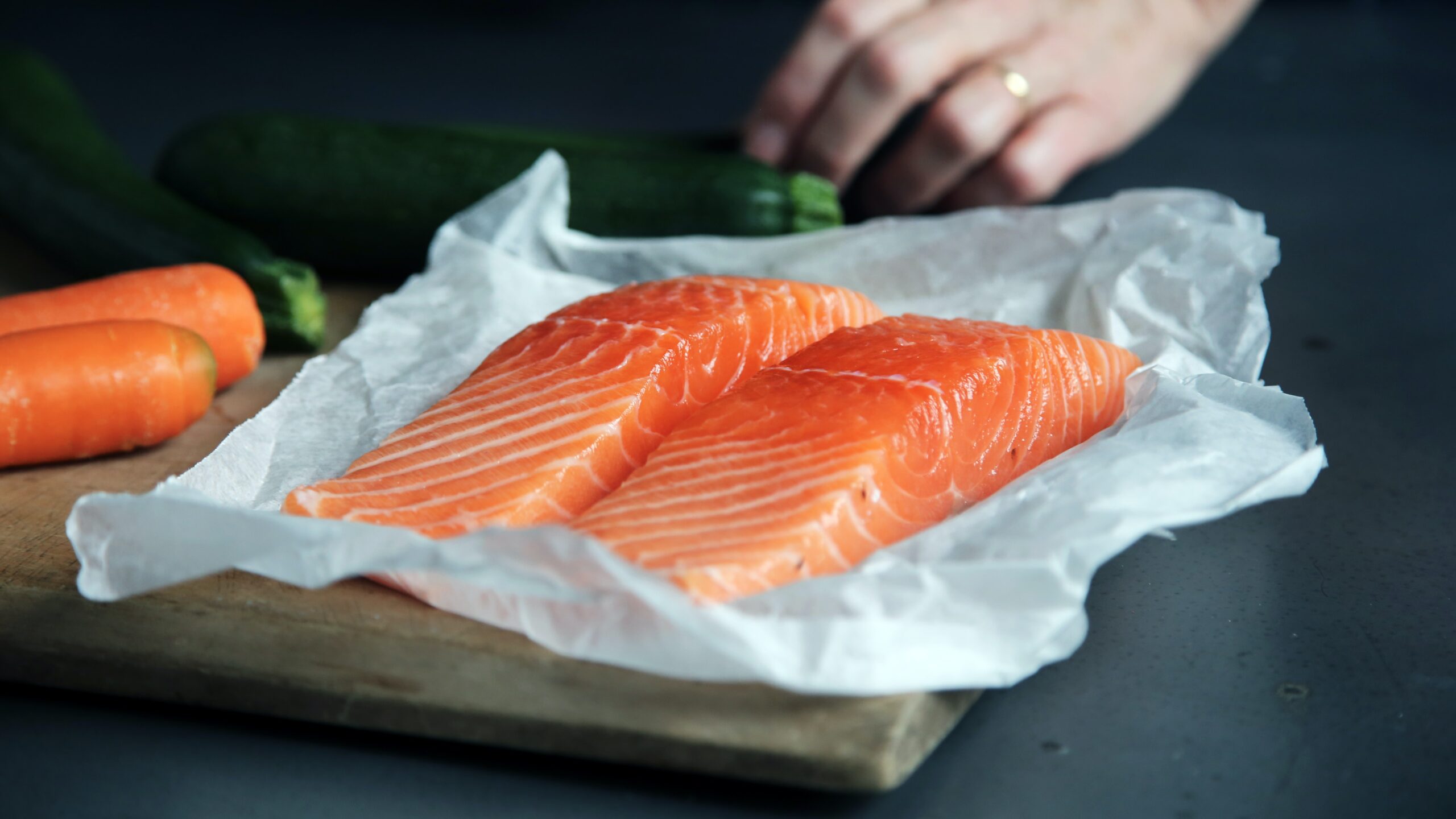
These groupings summarise the flavour notes in this guide. They’re a starting point for picking a species, not a scientific classification.
Grouper, Flounder, Sheepshead, Spanish Mackerel
Cobia, Mangrove Red Snapper, Tripletail
Snook, Grouper
Redfish
Spanish Mackerel, Speckled Trout
Tarpon
Six things to make with it
Fillet both sides, cube the fish and deep fry in a batter.
Reheats well. A cioppino or a Cajun recipe will do the job.
Deep fry so the pieces hold together and crisp. Cover halfway with oil in a cast iron skillet. Caesar dressing.
A blackened or grilled fillet, a vegetable and a starch.
Ceviche dip and fish cakes.
Sweet potato, baked potato, potato wedges, brown rice, hush puppies.
Vegetables that work: asparagus, broccoli, salad, sliced tomatoes and avocado, string beans, seasoned collards, okra.
Traditions to cook in: plain, upscale, Southern, Creole, Cajun, Western, Southwestern.
Keep the seasoning simple
Three seasonings will cover almost everything in this guide. Start with a good fish and a preparation that suits its texture, and let the fish do the work.
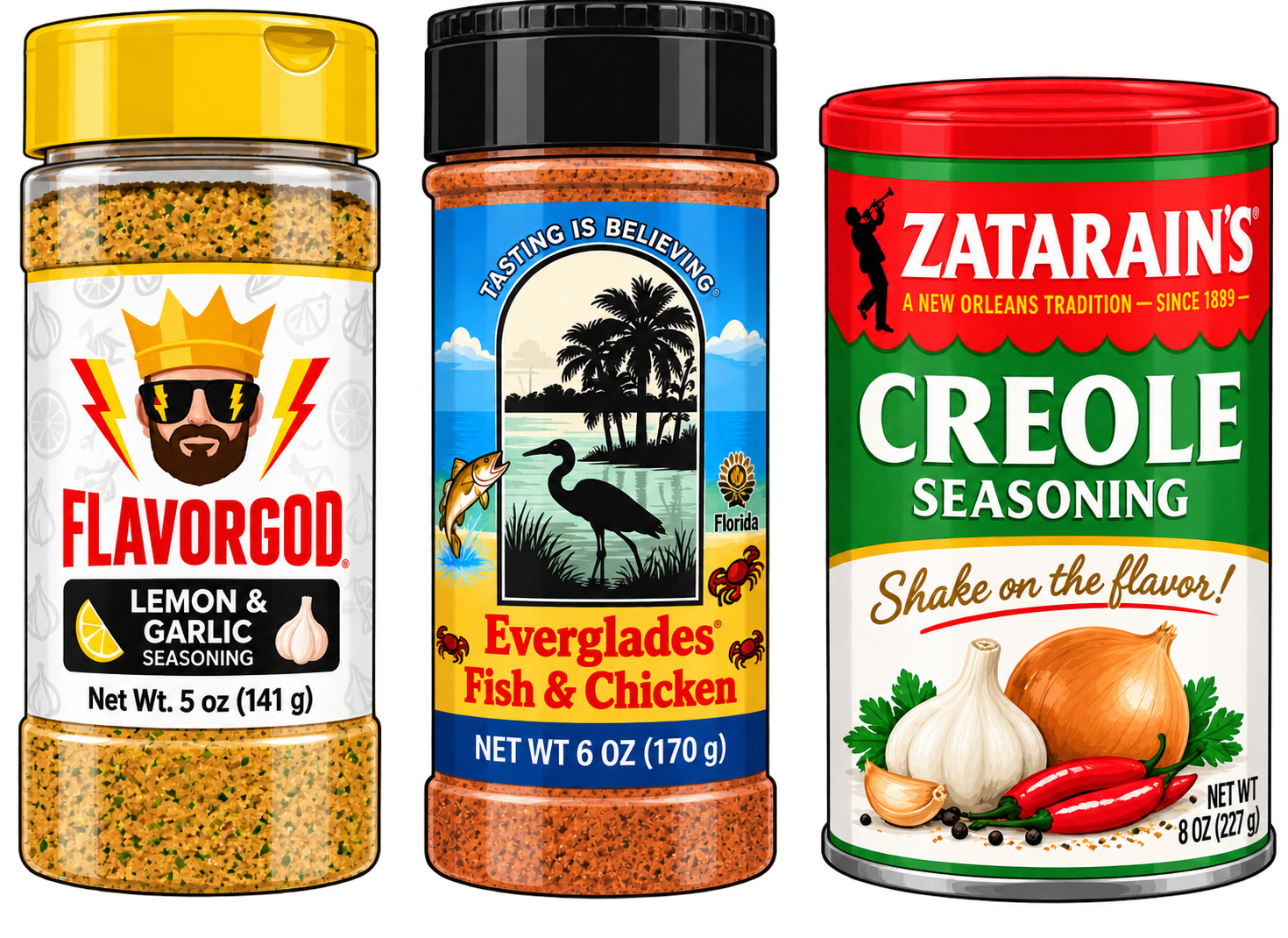
The default for Redfish, Snapper and anything baked in foil.
An all-purpose choice for blackening and the grill.
For Sheepshead, Grouper and anything headed for a Cajun or Creole dish.
Pair it with dinner
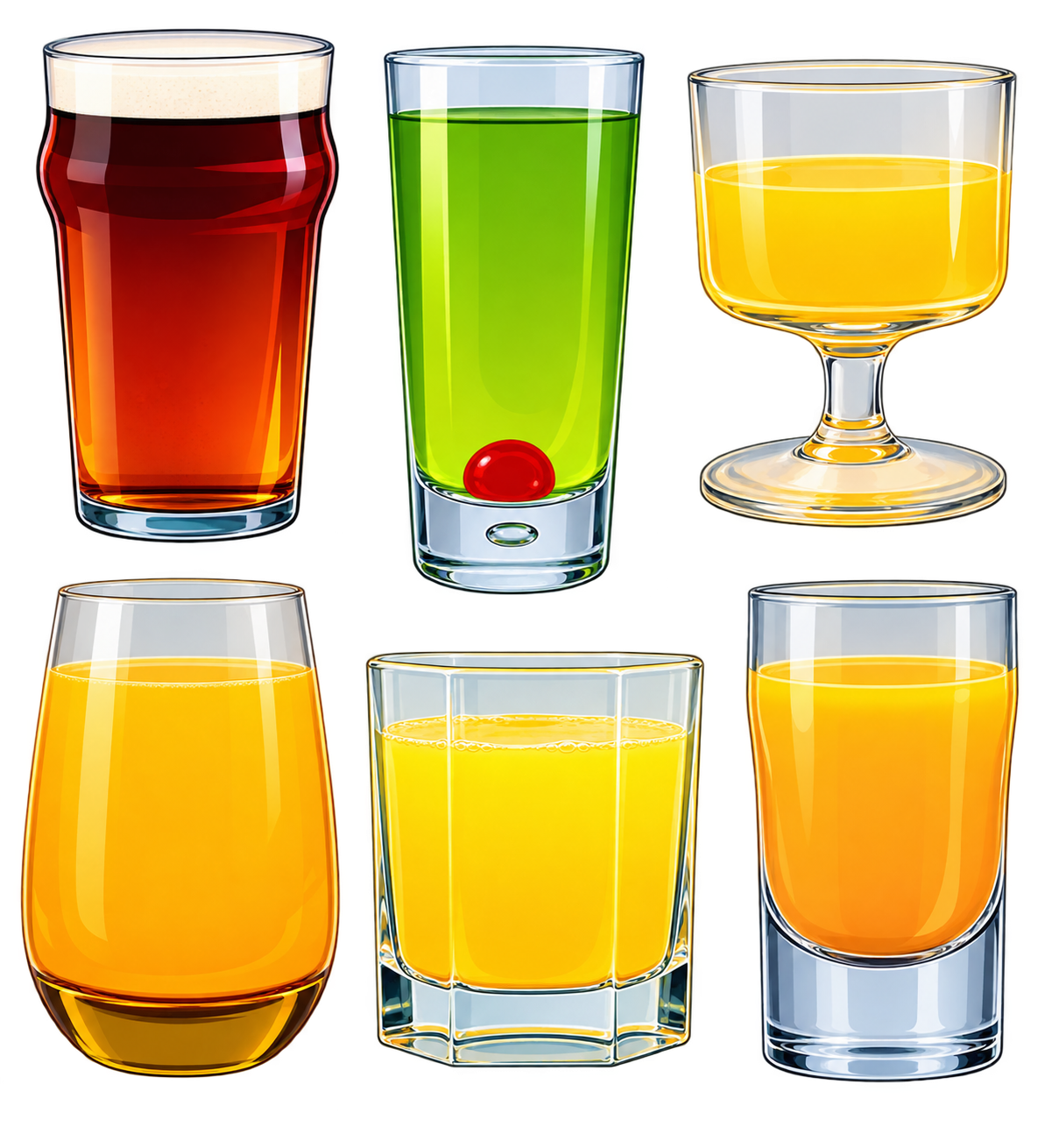
The original guide lists a drink alongside each fish. The short version: sweet tea and white wine suit almost everything, sweeter wines go with the wetter fish such as Snapper and Spanish Mackerel, and a light beer with lemon works with Redfish and Snook. Several species in the guide are noted as better without beer.
Places that will cook your catch
Fresh fish is even better when somebody else cleans the kitchen. Ask Captain Gavin on the way out and he can drop you at one of these.
The closest option to the boat, in Little Harbor. They fillet local grouper on site and will cook what you catch, fried, grilled or blackened, with fries and coleslaw. Also one of Captain Gavin’s pickup points.
“You catch, you clean, we cook.” Bring your fillets and they’ll cook them to order with fries and coleslaw for a per-person charge. Waterfront, on the Clearwater Beach Marina. Roughly an hour from Ruskin.
A neighbourhood sports bar with a Hook & Cook option on the menu, priced by the pound and served with two sides. The Tampa location is the closer of the two.
A long-running Davis Islands restaurant that has cooked guests’ catch for years, prepared grilled, fried, blackened or sautéed. Call ahead — the service isn’t listed on the current menu.
Waterfront dining at WTR Pool & Grill on the hotel’s pier. Their hook-to-table programme dates to a 2018 charter partnership and we could not confirm it still runs, so call before you plan around it.
Status checked September 2026. Catch-and-cook policies, pricing and hours change — always call ahead, and ask how they want the fish filleted before you arrive.
Before you head out
The fourteen species in this guide: Black Drum, Cobia, Flounder, Grouper, Mangrove Red Snapper, Redfish, Sea Bass, Shark, Sheepshead, Snook, Spanish Mackerel, Tarpon, Tripletail and Speckled Trout.
There isn’t one answer. This guide rates Cobia, Flounder, Grouper, Mangrove Red Snapper, Sea Bass, Sheepshead, Spanish Mackerel and Tripletail all at ten out of ten, for different reasons.
Redfish, Snook and Tarpon. Black Drum is worth adding if you want a fight more than a fillet.
No. Tarpon are a monitored game fish and should not be removed from the water, killed or cooked.
It depends on the species. Nurse, Lemon and Black Tip sharks must be returned to the water. Follow current Florida Fish and Wildlife regulations and your captain’s instructions.
Blackening or sautéing in a neutral high-temperature oil, or baking in foil with lemon pepper and garlic. Finish with lemon juice and butter after cooking, not before.
No. On an Apollo Beach charter your catch comes back struck, filleted, cleaned and bagged on ice before you step off the boat.
Catch it. Cook it. Remember it.
Tampa Bay has plenty of fish. The fun is working out how to find the right one. Whether you’re after a trophy Snook, a hard-fighting Redfish, a table-worthy Grouper or a bucket-list Tarpon, Captain Gavin O’Neal can make the trip count.
Or send Gavin a message below. Ready to pick a date? See trips and open dates.
Send Gavin a message
Questions about a trip, a gift, or a group? Gavin usually gets back to you the same day.
- Call or text(813) 418-0225
- Address827 Seabreeze Dr.
Ruskin, FL 33570