What Inshore Fishing Really Is (Beyond the Simple Definition)
Once it gets under your skin – once you’ve watched a sunrise over calm water, felt that first real pull on the line, listened to the quiet between friends on a boat – it becomes something else entirely. Not a hobby. Not even a sport.
It becomes a way you reset your life. A rhythm. A ritual. A hard habit to break – in the best possible way.
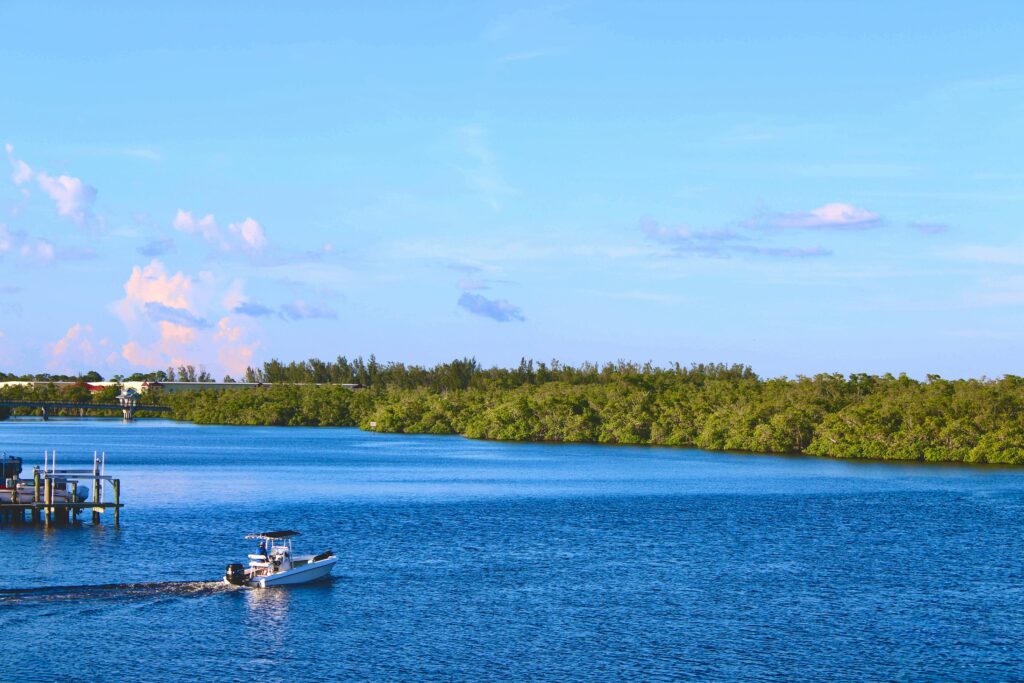
On paper, inshore fishing sounds simple: you’re fishing in relatively shallow water, within sight of land – along beaches, piers, mangroves, estuaries, and bays.
But that definition misses the good parts.
Inshore fishing is:
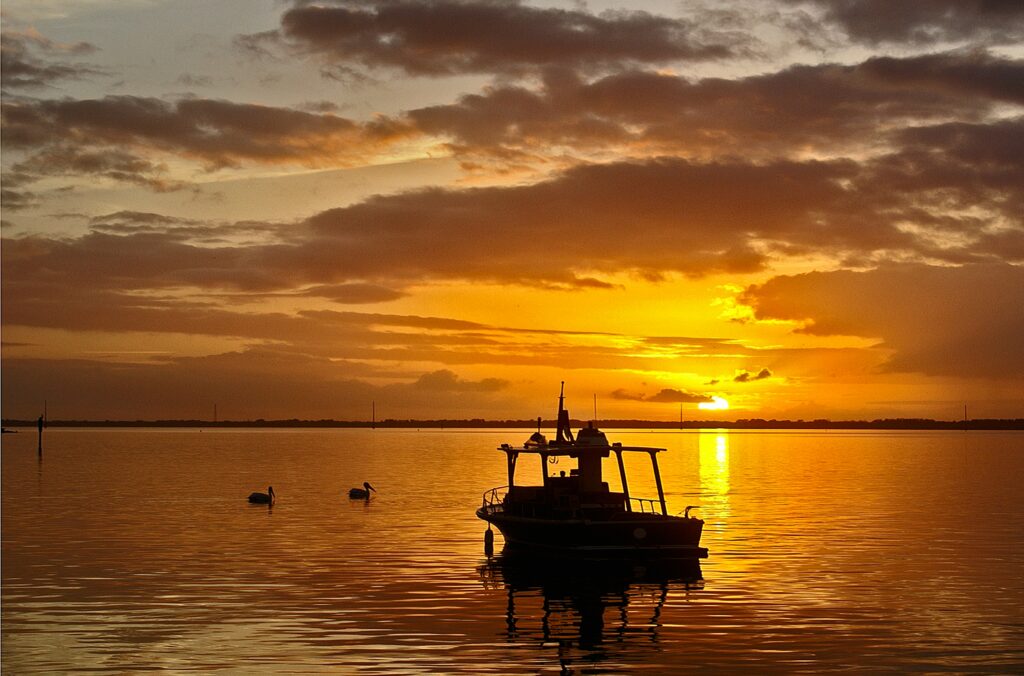
- a front row seat to sunrises and sunsets most people sleep through
- a low-stress way to introduce kids, spouses, or friends to fishing
- a place where “no cell service” feels like a gift, not an inconvenience
- a way to feed your family something you caught with your own hands
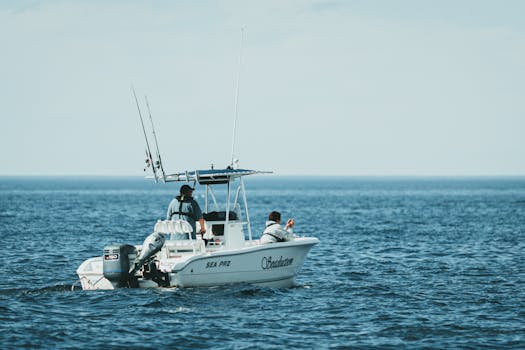
Unlike offshore runs far into open water, inshore fishing keeps you close to land, close to wildlife, and close to conversation. It’s approachable for beginners, yet deep enough to keep you learning for a lifetime.
Why Inshore Fishing Becomes a “Hard Habit to Break”
1. It’s Easy to Start – and Surprisingly Easy to Keep Going
You don’t need a big offshore rig, a garage full of gear, or a year’s salary in tackle. To get started, all you really need is:
- a basic spinning rod and reel
- a small tackle box with hooks, sinkers, and a few lures
- live bait like shrimp or small minnows (or a couple of simple artificials)
- a fishing license and a safe spot with access to the water
That’s it. You can start from a pier, a beach, or a seawall. And the more you go, the more you realize how little you actually need to feel rich out there.
2. Nature Becomes Your Favorite Classroom
Inshore fishing quietly teaches you things you never intended to study:
- Tides: how incoming water lights up a flat and outgoing water drains baitfish into deeper channels.
- Weather: how pre-front pressure changes can turn fish on, and how wind direction shifts where bait hides.
- Species behavior: how redfish push wakes in the shallows, how trout hold on grass edges, how snapper hug structure.
You start to notice birds working bait, subtle color changes in the water, and the feel of different bottom types through the line. You didn’t sign up for a biology degree, but you start earning one, cast by cast.
3. It Quietly Rewires Your Stress
We don’t always have language for anxiety, overload, or burnout. But our nervous system understands something the moment the boat leaves the dock or our feet hit the sand:
This is better.
The rhythm of casting, waiting, watching the line, and listening to the water acts like a moving meditation. You’re not escaping life; you’re letting your mind breathe.
After a while, your brain starts to crave that kind of reset. Traffic, news, and screens feel loud. But the quiet sound of water around your ankles? That starts to feel like home base.
4. It Turns Time With People Into Memories (Not Just Minutes)
Inshore fishing has a special way of turning simple company into meaningful connection.
On land, conversations get interrupted by phones, doors, TVs, schedules. On the water, the interruptions drop away. It’s just you, the other person, and the tide moving under you both.
You trade stories. Laugh at terrible casts. Help each other untangle line. Cheer for each hook-up. Comfort each other when the big one spits the hook at the boat.
Kids remember that. Spouses remember that. Friends who barely talk during the week will text you for years about “that one trip when…”
This is how rituals form. “Let’s go out again” turns into “we always go out together.” That’s the kind of habit your relationships actually need.
5. You Eat the Story You Just Lived
Most activities end when you pack up and go home. Inshore fishing often keeps going all the way to the plate.
You fillet the fish. Rinse them clean. Season them simply. Grill, pan-fry, or bake them. And then, at dinner, you’re not just eating calories. You’re eating:
- the early alarm you didn’t hit snooze on
- the cast that finally landed right on the edge of the mangroves
- the surprise run that bent the rod double
- the teamwork it took to net the fish cleanly
It’s hard to go back to anonymous store-bought fillets after that. Not because store fish is bad—but because food with a story is better.
Getting Started: How to Make the First Trip a Good One
If you’re curious about inshore fishing but not sure where to begin, here are some simple, practical steps.
Gear Up Without Going Overboard
- Rod & Reel: A medium or medium-light spinning combo is ideal for most inshore species.
- Line: 10–15 lb braided line with a short fluorocarbon leader.
- Bait: Live shrimp, small baitfish, or basic soft plastic lures.
- Essentials: Pliers, a small tackle box, sunscreen, polarized sunglasses, and a hat.
Learn a Few Basics (Then Let the Water Teach You the Rest)
- Casting: Practice in the yard or at a park so you’re not untangling every third cast on the water.
- Knots: Learn one or two reliable knots – like an improved clinch and a loop knot – and get good at them.
- Regulations: Look up local size limits, bag limits, and seasons. Responsible fishing keeps the habit alive for future generations.
Pick Friendly Places to Start
- Piers & docks: Easy access, often with good structure right below you.
- Beaches & passes: Cast into troughs and channels where fish travel and feed.
- Back bays & estuaries: Protected areas that hold bait and predator species year-round.
And if you want to jump the learning curve, booking a local charter for an inshore trip is one of the fastest ways to learn. A good captain will not only put you on fish, but also explain why you’re fishing where you’re fishing – knowledge you can use forever.
Making Every Trip Count (Even When You Don’t Catch Much)
Here’s the truth experienced anglers know and beginners eventually discover: the days you don’t catch much are often the ones that hook you the hardest.
Those are the days when you:
- start noticing subtle changes in wind and current
- experiment with different retrieves or baits
- talk more, laugh more, or simply sit in quiet more
- realize that being there was the point, not the cooler count
Fishing teaches you to be okay with imperfect outcomes. It builds resilience. It keeps you humble. It turns the phrase “maybe next time” into something hopeful, not frustrating.
The Social Side: How Inshore Fishing Builds Community
What begins as solo or family time often spills into something bigger.
You start chatting with the regular