
Local fishing charters: why the captain's address matters
Almost every charter calls itself local. Here’s what the word should actually get you on the water, and how to check whether you’re getting it.
“Local” is one of those words that ends up on every website. It sits next to “family owned” and “best in the bay,” and after a while it stops meaning much. For a fishing charter it should mean something specific, because the thing you’re paying for isn’t really the boat. It’s what the person driving it knows about this particular piece of water.
So here’s a plain look at what local actually buys you, using the only charter we can speak for honestly: ours.
Local means the captain lives here
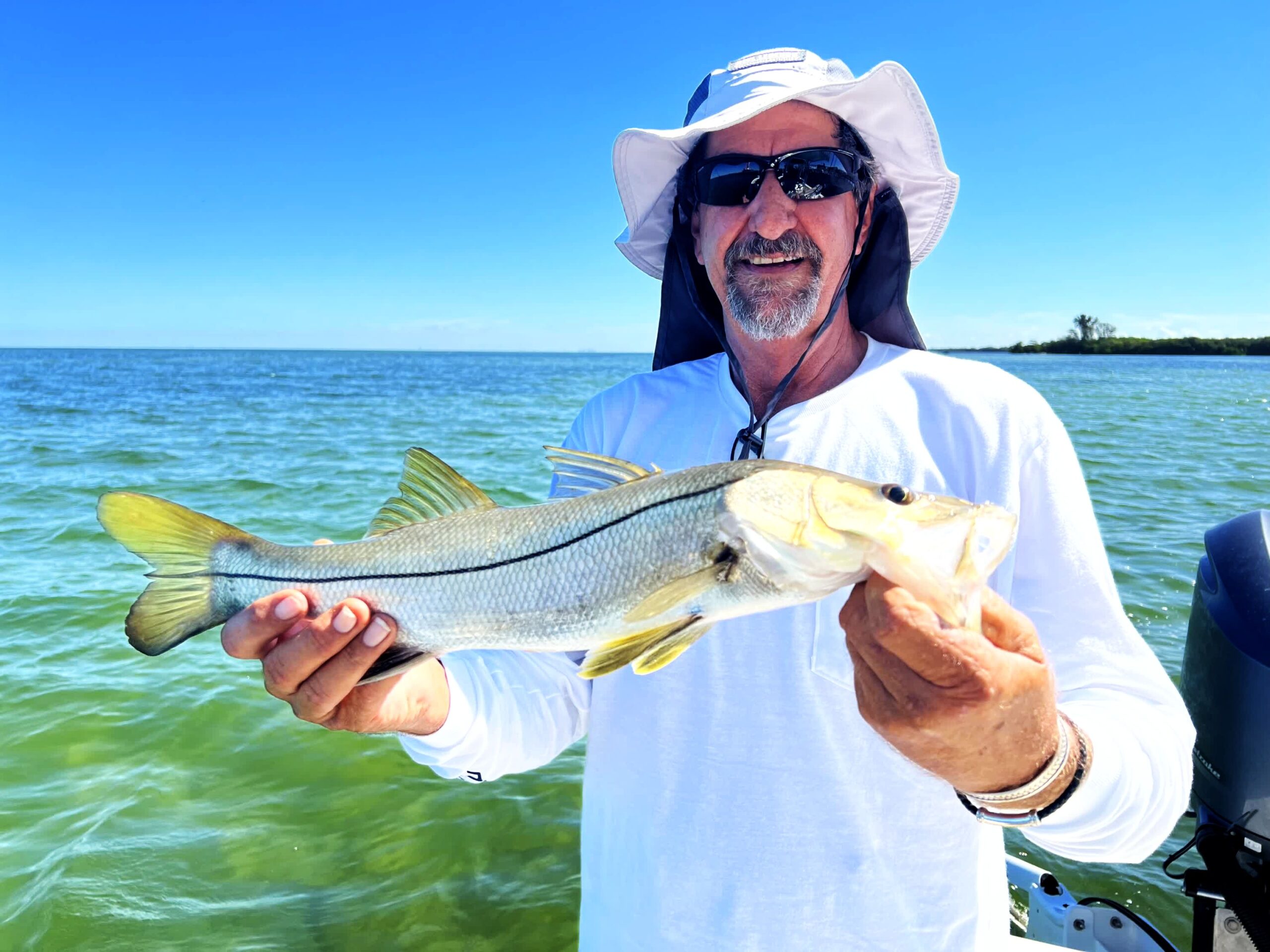
Captain Gavin O’Neal lives in Apollo Beach and has fished Tampa Bay for thirty years. He isn’t a seasonal hire, and Apollo Beach Fishing Charters isn’t a franchise with a booking desk and a rotating crew. You get the same captain every trip, and he’s the one you talk to when you call.
That matters for a simple reason. Fish move with the season, the tide and the water temperature, and the only way to keep up is to be out there most days. A captain who lives on the bay notices the week the trout slide off one flat onto the next. A captain who drives in for the season reads about it later.
Local knowledge is the product
Ask Gavin whether you’re guaranteed a certain fish and he’ll say: no promises, but close. Knowing where a species goes, when, and what it wants to eat improves the odds enormously. A few examples of the kind of thing thirty years on one bay teaches you:
- Cobia are most active from September through February, and they like to swim with stingrays. Find the rays and you’ve often found the cobia.
- Tripletail float near flotsam in the middle of the day. You spot them by eye and watch them take the bait.
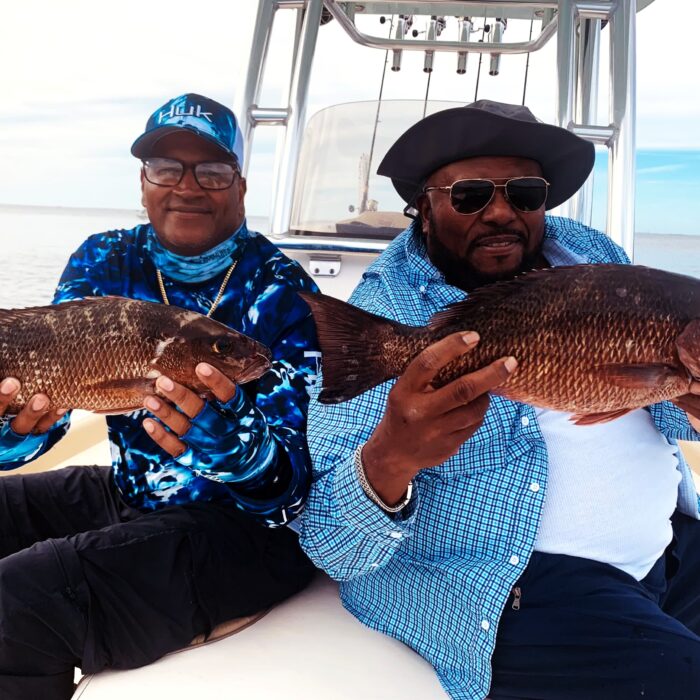
- Sheepshead crowd pilings and rock beds in winter, when they spawn, and bite best on the outgoing tide.
- Tarpon show up May through July. They’re a protected game fish, so they stay in the water for the photo and the release.
None of that is secret. It’s all in our Tampa Bay fish guide. The difference is knowing which of it applies this week.
Local bait, caught that morning
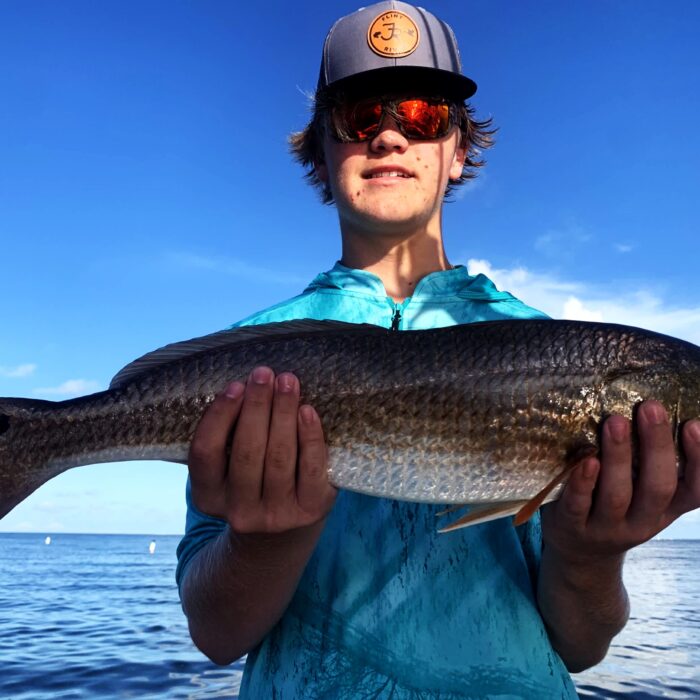
Before most guests have had coffee, Gavin is out chumming and throwing a cast net. By the time you step aboard, the live well is full of bait that was swimming an hour ago, not a bag of frozen shrimp from a store.
That’s one of the clearest differences between a local operation and one that isn’t. Live, local bait is what the fish in this bay are already eating, and it’s the reason fishing usually starts within twenty minutes of pickup.
Local water, local rules
Florida’s fishing rules are detailed, and they change. Some sharks can be kept and others, like nurse and lemon sharks, have to go straight back. Tarpon can’t come out of the water. Sheepshead and snapper have per-person bag limits. On a charter, all of that is the captain’s job: everyone aboard is covered by the charter’s licence, and Gavin keeps track of what can go in the cooler.
The same goes for weather. Safety is the captain’s call and always comes first, and someone who has read this bay’s afternoon skies for thirty years makes that call well. If conditions are unsafe, Gavin contacts you to reschedule.
“The catch culminates in the meal: in breaking bread and celebrating good fortune on the water.”Captain Gavin O’Neal
Local means knowing what to do with the fish
Here’s where most charters stop and a local one keeps going. Your catch comes back struck, filleted and bagged on ice before you step off the boat. Gavin doesn’t de-gut or de-blood the fish, because that releases gases that spoil the flavor and make fillets break down faster. It’s the kind of detail you only learn by cleaning a lot of fish from the same water.
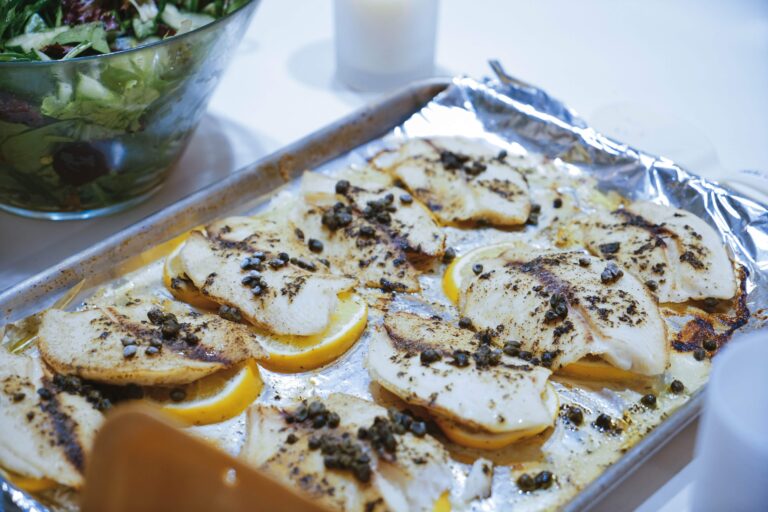
Then you leave with notes on how to cook the exact species in your bag. If you’d rather someone else did the cooking, Gavin can drop you at a hook-and-cook restaurant that will have your fish on a plate the same evening. Hooks Waterfront Bar and Grill in Ruskin, his usual pickup spot, is a favorite.
How to tell if a charter is really local
Whoever you book with, these questions sort the genuinely local captains from the ones who just use the word:
- Where do you live, and how long have you fished this water?Years on this bay specifically, not years fishing in general.
- Who will actually be my captain?The person on the phone, or whoever is on shift that day?
- Where does the bait come from?Caught that morning, or bought frozen?
- What’s biting this month, and where?A local captain answers without checking a fishing report.
- What happens to my fish?Cleaned and iced for you, or handed over in a bucket?
- Where can you pick us up?A captain who knows the bay can usually come to your side of it.
For a longer checklist, see How to Choose the Best Fishing Charter in Tampa.